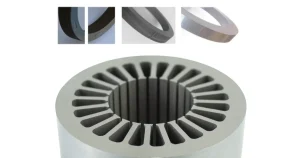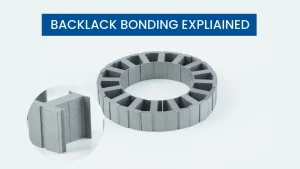
At Huaci, quality isn’t something we check at the end—it’s something we embed in every step of production. For our thin-gauge bonded motor cores, the key is that each stage is guided by clear, actionable documentation that links materials, processes, and inspections together. Our approach is aligned with the requirements of ISO 9001 and IATF 16949, which provide a framework for systematic process control and continuous improvement across the entire production chain.
Material Preparation
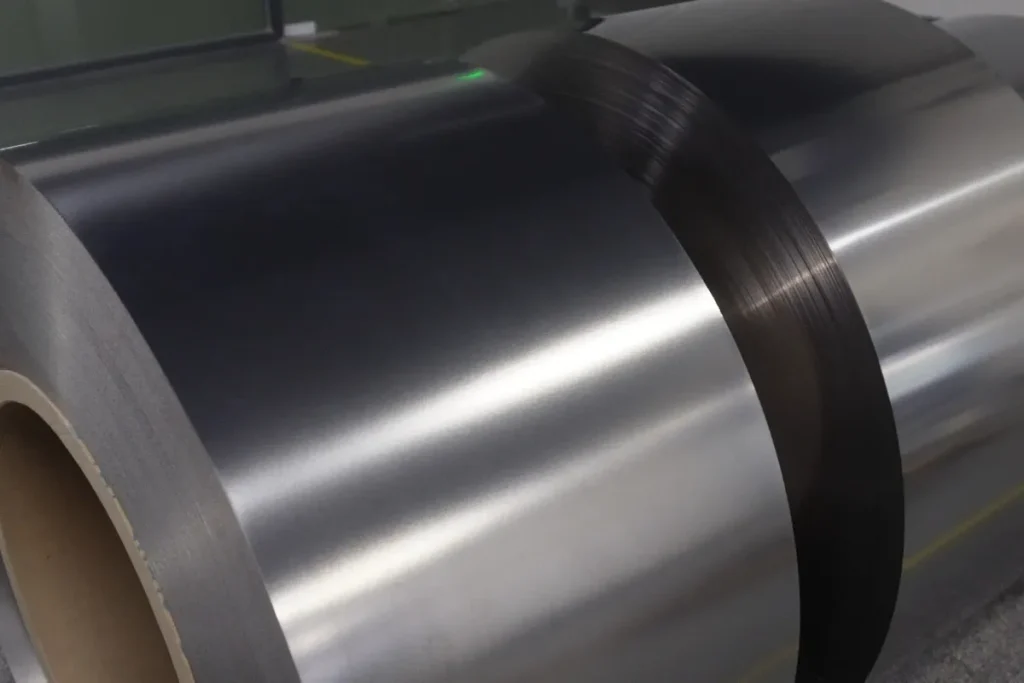
When a new batch of material arrives, our team checks it against the material specifications. These documents define thickness tolerances, coating properties, and magnetic characteristics, giving engineers clear criteria for acceptance. This initial verification ensures that the material entering production aligns with the process requirements.
Work Instructions
During production, work instructions act as the roadmap for operators. They provide precise guidance for stacking, bonding, heat treatment, or cutting processes, but more importantly, they specify how each step should be recorded. This way, every critical measurement, adjustment, or observation is captured in real time. By following these instructions, our team maintains consistency.
Inspection
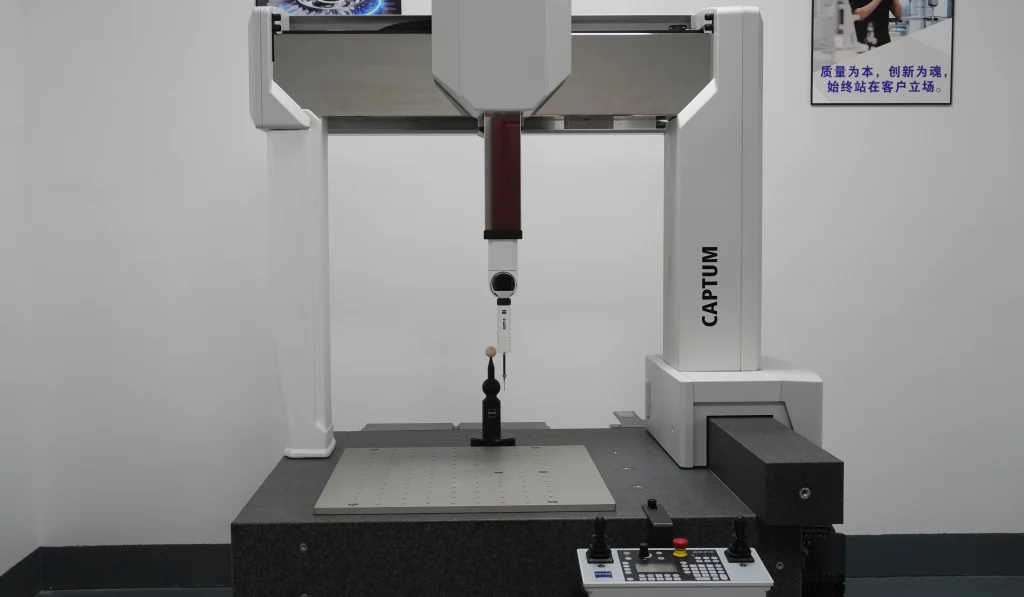
Inspection is integrated throughout, not just at the end. Dimensional checks, burr inspections, and magnetic performance tests are conducted according to structured guidelines that tie directly back to our process control plans. These plans map potential process variations to specific measurements and sampling points, so we know exactly how to detect deviations early and respond promptly.
FMEA
We also maintain a living process FMEA. Rather than being a static document, it actively informs our work: it highlights where things could go wrong, guides the design of control measures, and feeds back into both our instructions and inspection plans. This ensures that preventive measures are applied before issues arise, and that any lessons learned from production are captured and applied immediately.
When introducing new projects or materials, we use process qualification outlines and master manufacturing plans to define and validate the approach. These documents shape how the team sets up the equipment, prepares the first batches, and confirms that process parameters produce repeatable, stable results.
Every record we generate from material batch numbers to curing temperatures, from in-process measurements to final inspection results, is linked back to the relevant document and process. This traceability allows us to quickly analyse any deviation, determine its root cause, and implement corrective actions without losing sight of the chain from raw material to finished core.
In practice, this means that our quality management is a living, continuous system. Work instructions, control plans, inspection guidelines, and FMEA are constantly updated based on feedback from the shop floor, testing data, and customer requirements. This keeps the documentation aligned with reality, and ensures that we are consistently producing stable, precise, high-performance motor cores.
Conclusion
In conclusion, our quality management isn’t about relying on a single tool—it’s about making sure that every step is documented, traceable, and informed by engineering judgment. The documents guide our work, the records prove what was done, and the data show the results. Together, this allows us to deliver cores with reliable, high-performance and gives our clients confidence that the process behind each part is robust and transparent.