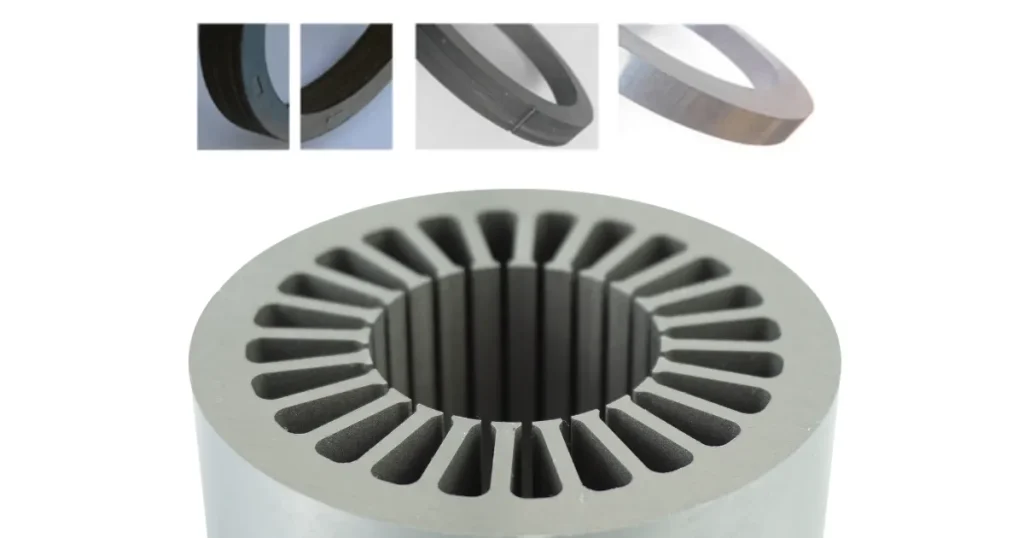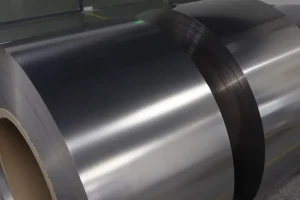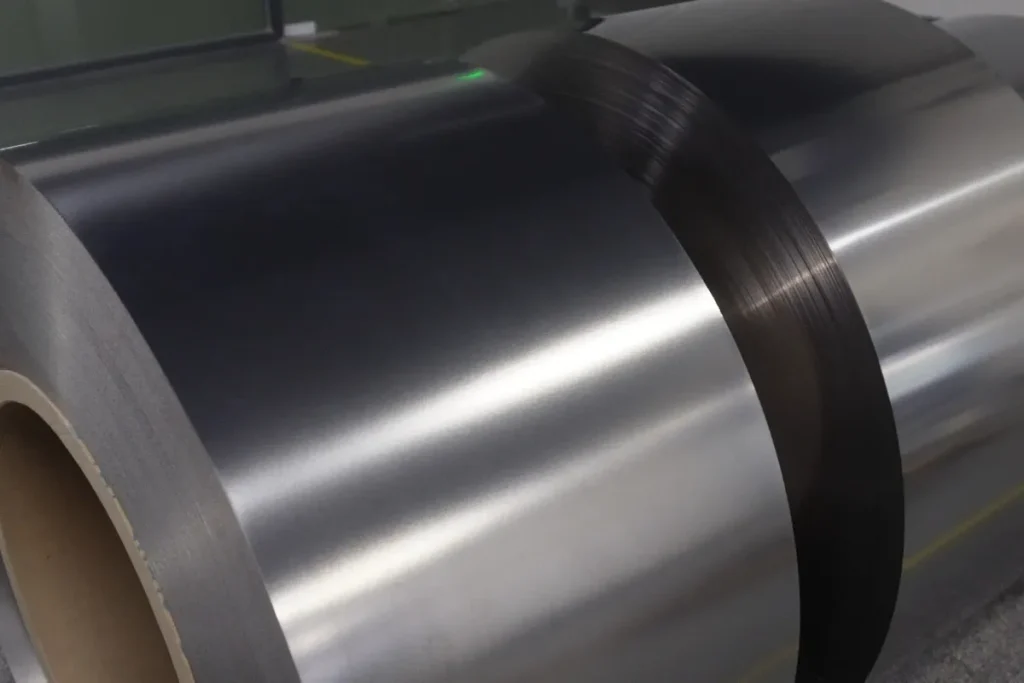
Silicon steel, also known as electrical steel, is a critical soft magnetic material widely used in transformers, motors, and generators due to its excellent magnetic properties. Its grade designation varies across countries and manufacturers, reflecting differences in industrial standards, technological capabilities, and application demands. This comprehensive guide explains how silicon steel grades are defined globally.
Key Takeaways
- Three Key Classification Factors: Silicon steel grades are defined by thickness, iron loss (W/kg), and magnetic induction (Tesla).
- Regional Naming Conventions: China uses DW/DQ or W/Q format, Japan uses A/P codes, Europe follows EN 10106/IEC 60404, and the USA uses ASTM A677.
- IEC Compatibility: Most national standards align with IEC 60404 series for global trade compatibility.
- Manufacturer-Specific Grades: Leading producers like Baosteel, Nippon Steel, and POSCO develop proprietary grades optimized for specific applications.
- Application Selection: EV motors require thin gauges (0.20-0.35mm) with low iron loss; transformers benefit from grain-oriented grades.
Silicon Steel Grade Classification Factors
Silicon steel grades classify materials based on three critical properties:
- Thickness: Determines suitability for high-frequency applications. Thinner gauges (0.20-0.35mm) reduce eddy current losses at higher frequencies.
- Iron Loss (W/kg): Indicates energy efficiency; lower values mean less energy wasted as heat. Critical for motor and transformer efficiency.
- Magnetic Induction (Tesla): Reflects the material’s ability to conduct magnetic flux. Higher values enable more compact designs.
Global Standards Comparison Table
| Region | Standard | Non-Oriented Format | Oriented Format | Example |
|---|---|---|---|---|
| China | GB/T 2521 | 50W470 | 30Q133 | 50W470 = 0.5mm, ≤4.7 W/kg |
| Japan | JIS C2552 | 50A470 | 30P120 | 50A470 = 0.5mm, ≤4.7 W/kg |
| Europe | EN 10106 | M470-50A | E3 series | Aligned with IEC 60404 |
| USA | ASTM A677 | M600-50A5 | M grades | M600 = max iron loss 6.0 W/kg |
| International | IEC 60404 | 50W600 | 30Q120 | Global reference standard |
China Silicon Steel Grades (GB/T 2521)
China’s silicon steel grade system is defined under GB/T 2521, covering both non-oriented (NO) and oriented (GO) silicon steel:
Non-Oriented Silicon Steel
- Naming format: Thickness + W + Iron Loss
- Example: 50W470 indicates 0.5mm thickness and iron loss ≤4.7 W/kg
- Old format: DW470-50 (still seen in some documentation)
Oriented Silicon Steel
- Naming format: Thickness + Q + Iron Loss
- Example: 30Q133 indicates 0.3mm thickness and iron loss ≤1.33 W/kg
- Old format: DQ133-30
Baowu Group (China) Representative Grades
- B23R85: Ultra-thin grain-oriented silicon steel (0.23mm) with iron loss P1.7/50 ≤0.85 W/kg, designed for high-efficiency transformers.
- B50A600: Non-oriented silicon steel (0.5mm) with iron loss ≤6 W/kg and magnetic induction ≥1.66 T, optimized for industrial motors.
Japan Silicon Steel Grades (JIS)
Japan follows precise classification under JIS (Japanese Industrial Standards):
Non-Oriented Silicon Steel
- Format: Thickness code (×100) + “A” + Iron Loss value (×100)
- Example: 50A470 = 0.5mm thickness, iron loss ≤4.7 W/kg
Oriented Silicon Steel
- Regular-oriented: “G” designation
- High-magnetic-induction-oriented: “P” designation
- Example: 30P120 = 0.3mm thickness, iron loss ≤1.2 W/kg, high B8
Nippon Steel Representative Grades
- HILITECORE (H9): Low core loss and high dimensional accuracy for industrial motors and generators.
- 35A250: Non-oriented silicon steel (0.35mm) with iron loss ≤2.5 W/kg, ideal for high-frequency EV motor applications.
European Silicon Steel Grades (EN 10106 / IEC 60404)
Europe adheres to EN 10106 and IEC 60404 standards:
- Performance-based classification
- Example: E3-oriented silicon steel requires P1.7/50 ≤1.30 W/kg and B800 ≥1.88 T
- Numeric codes like “1.0813” for material identification per DIN standards
ThyssenKrupp PowerCore® Series
- H070-20: Ultra-thin grain-oriented silicon steel (0.20mm) with iron loss ≤0.70 W/kg at 50Hz, featuring laser domain refinement technology.
United States Silicon Steel Grades (ASTM A677)
The USA follows ASTM A677 for silicon steel classification:
- Format: “M” + Iron Loss value + Thickness code
- Example: M600-50A5 where M = electrical steel, 600 = max iron loss, 50A5 = 0.5mm thickness
- Classic grades: M19, M27, M36 widely used in transformers and motors
IEC Standard Compatibility
The IEC 60404 series provides unified specifications for global trade:
- IEC 60404-8-7: Cold-rolled non-oriented silicon steel classification
- IEC 60404-8-4: Cold-rolled grain-oriented silicon steel classification
Cross-Reference Table
| Country | Local Grade | IEC Equivalent | Specification |
|---|---|---|---|
| China | 50W600 | IEC 50W600 | 0.5mm, ≤6 W/kg |
| Japan | 50A600 | IEC 50W600 | Same performance |
| USA | M600-50A5 | IEC 50W600 | ASTM compatible |
| Europe | M600-50 | IEC 50W600 | EN 10106 format |
Leading Global Manufacturers
| Manufacturer | Country | Key Grades | Applications |
|---|---|---|---|
| Baosteel | China | B50A600, B23R85 | EV motors, transformers |
| Nippon Steel | Japan | HILITECORE, 35A250 | High-frequency motors |
| POSCO | Korea | PNHF600, 23HP85d | Industrial motors, EVs |
| AK Steel | USA | M19, M27, M36 | Transformers, motors |
| ThyssenKrupp | Germany | PowerCore® | Efficient transformers |
| ArcelorMittal | Multinational | iCARe Series | EV motors |
Selecting Silicon Steel for Applications
Electric Vehicle Motors
- Recommended: Thin gauges (0.20-0.35mm) for high-frequency operation
- Low iron loss grades (≤2.5 W/kg at 50Hz)
- High magnetic induction for compact designs
- See our EV and eVTOL motor applications
Industrial Motors
- Standard gauges (0.35-0.50mm) suitable for 50/60Hz operation
- Balanced iron loss and magnetic induction
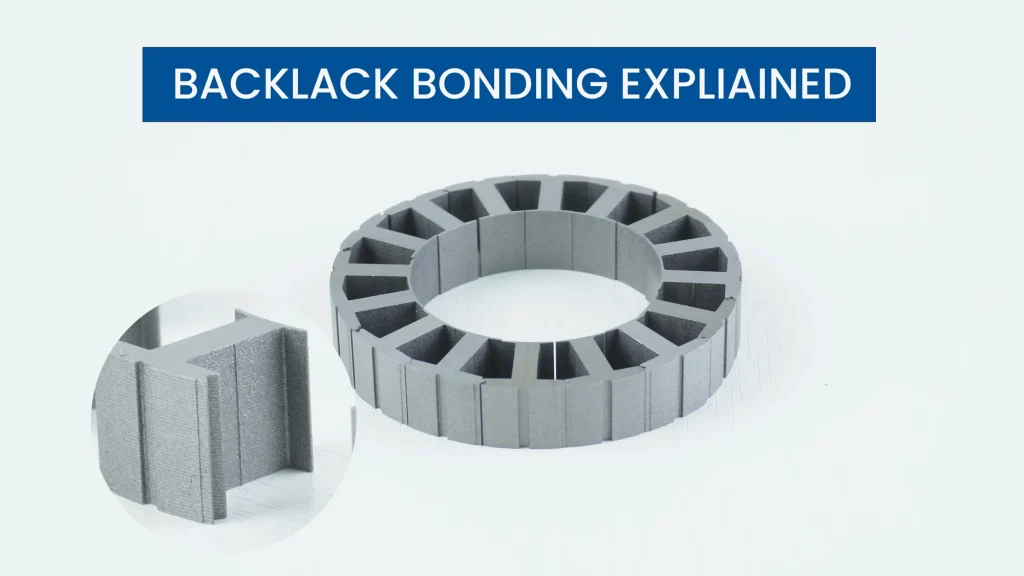
- Consider bonded motor cores for maximum efficiency
Transformers
- Grain-oriented silicon steel for optimal performance
- Ultra-thin grades (0.20-0.27mm) for high-efficiency designs
- Consider amorphous metals for 70-80% lower core losses
Related Materials
For specialized applications, consider these alternatives:
- Soft magnetic alloys: 1J22 (Hiperco 50) for highest saturation induction (~2.4 T)
- Amorphous metals: Superior energy efficiency for transformer cores
- All materials: Complete range of soft magnetic materials
Conclusion
Understanding silicon steel grades requires familiarity with both global standards and manufacturer-specific systems. Countries like China, Japan, Europe, and the United States have developed distinct classification methods while striving for compatibility with international norms like IEC standards.
Manufacturers play a critical role in advancing silicon steel technology by creating proprietary grades tailored to specific applications such as electric vehicles, robotics, and smart grids. By aligning national standards with international ones, the global silicon steel industry meets the growing demand for energy-efficient materials.
Frequently Asked Questions
What does the number in silicon steel grades mean?
The number typically indicates the maximum iron loss in W/kg multiplied by 100. For example, 50W470 means the iron loss is ≤4.7 W/kg at 1.5T and 50Hz. Lower numbers indicate more efficient, higher-grade materials.
What is the difference between oriented and non-oriented silicon steel?
Oriented (grain-oriented) silicon steel has crystals aligned in one direction for superior magnetic properties in that direction, ideal for transformers. Non-oriented silicon steel has random crystal orientation, providing uniform properties in all directions, making it suitable for rotating machinery like motors and generators.
Which silicon steel grade is best for electric vehicle motors?
For EV motors, thin-gauge non-oriented silicon steel (0.20-0.35mm) with low iron loss is recommended. Grades like 35A250 or 35W250 offer excellent high-frequency performance. The choice depends on specific motor design requirements including operating frequency and efficiency targets.
How do I convert between different national grade systems?
Most national grades have IEC equivalents. Use the cross-reference tables in this guide or consult IEC 60404 standards. For example, China’s 50W600, Japan’s 50A600, and USA’s M600-50A5 all correspond to IEC 50W600 with similar specifications.
Why is thickness important in silicon steel selection?
Thinner laminations reduce eddy current losses, especially at higher frequencies. For 50/60Hz applications, 0.35-0.50mm is typical. For high-frequency applications like EV motors (400Hz+), thinner gauges (0.20-0.35mm) are essential to minimize losses and maintain efficiency.
Learn how Huaci Technologies selects high-performance electrical steel and manufactures high-efficiency motor cores.