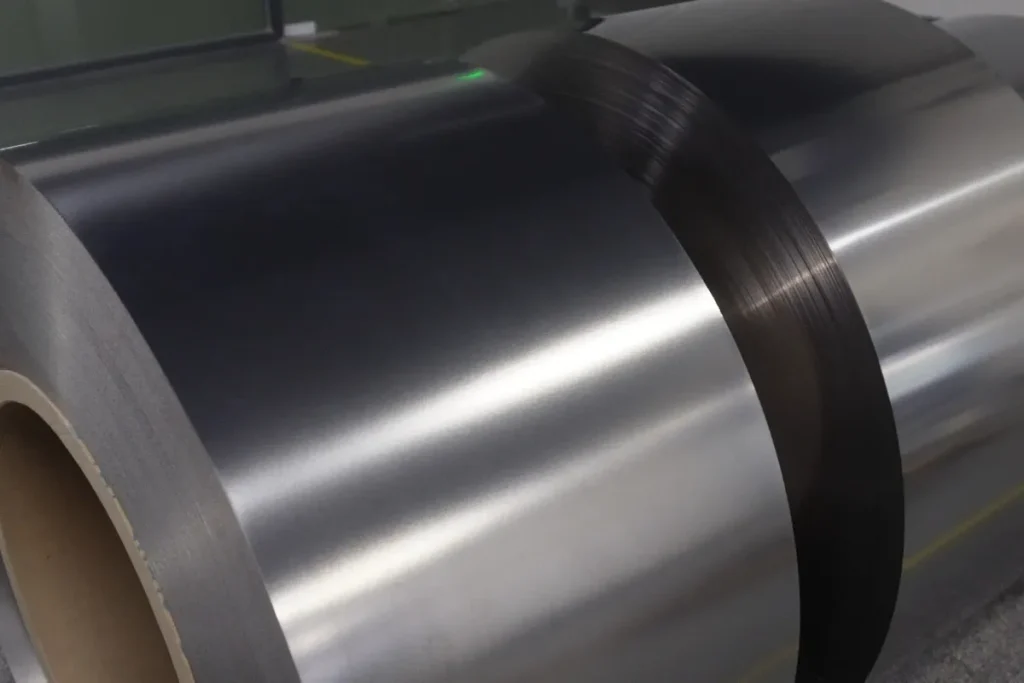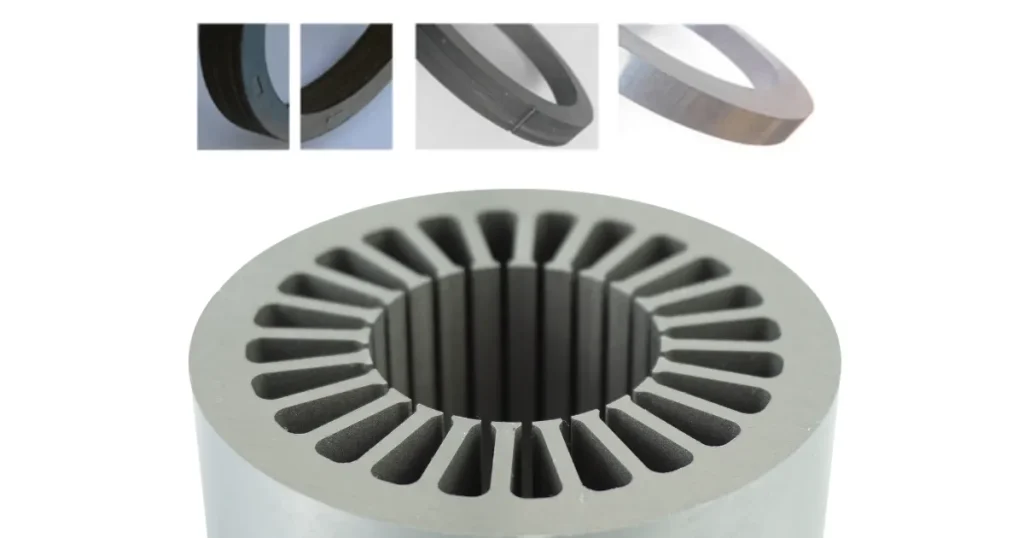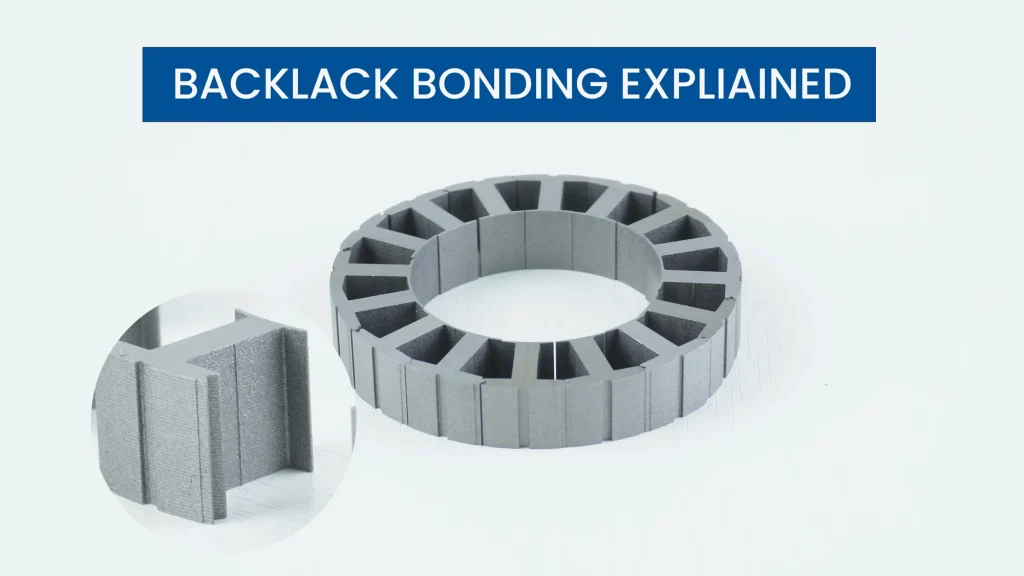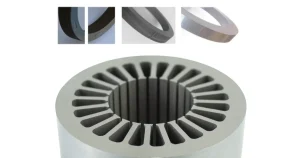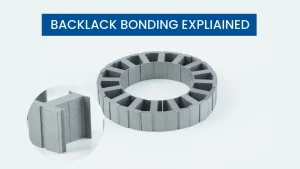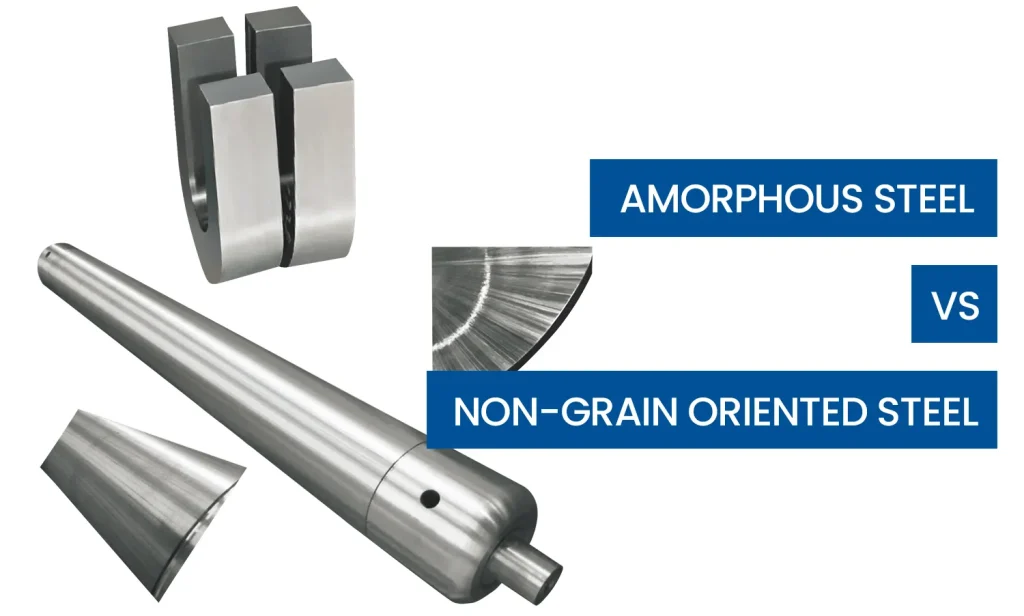
Amorphous steel and non-grain oriented steel are key materials for electrical use. Amorphous steel has atoms arranged randomly. This gives it great magnetic properties and low energy loss. Non-grain oriented steel has even grain patterns. It works well in all directions.
Amorphous steel is better at cutting energy loss. Non-grain oriented steel is cheaper for motors and generators. Picking the right material affects efficiency, energy use, and performance. Knowing these materials helps you choose better for your electrical systems.
Key Takeaways
- Amorphous steel has a random atomic structure. This lowers energy loss and boosts magnetic efficiency. It is great for transformers.
- Non-grain oriented steel has even grains. It works well in all directions, making it good for motors and generators.
- Picking the right material affects energy use, performance, and costs over time in electrical systems.
- Amorphous steel costs more but saves energy in the long run. It is especially useful in high-frequency uses.
- Non-grain oriented steel costs less and is easier to make. It is a good choice for projects with tight budgets.
- Amorphous core transformers can reduce energy loss by up to 55%. They are a smart pick for renewable energy systems.
- Think about your project’s needs when choosing between amorphous and non-grain oriented steel. This helps improve efficiency and save money.
- Both materials have special benefits. Knowing their features helps you make better choices for electrical uses.
Understanding Amorphous Steel
Structure and Composition
Amorphous steel, also called amorphous metal, has a special structure. Its atoms are not arranged in patterns like regular metals. Instead, they are random, giving it a non-crystalline shape. This random structure improves its magnetic abilities. It also reduces energy loss. Amorphous steel is made of iron, boron, and silicon. These materials help it work well with magnets.
Scientists use tools to study its structure. Transmission Electron Microscopy (TEM) shows detailed images of its tiny parts. X-ray Diffraction (XRD) checks that it has no crystal patterns. These tests show how smooth and even amorphous steel is. This smoothness is important for electrical cores.
| Tool Used | What It Does | What It Finds |
|---|---|---|
| TEM with ED or EELS | Studies tiny structure | Gives detailed images |
| XRD | Checks for crystals | Proves no crystals are present |
| SEM | Looks at surface | Shows surface details |
Magnetic Properties of Amorphous Metal
Amorphous metal has amazing magnetic abilities. This makes it great for electrical cores. It can carry magnetic energy easily, saving power. Since it has no grain boundaries, it loses less energy when the magnetic field changes. This means it uses less energy and works better.
Thin layers of amorphous metal stop eddy currents. These currents waste energy. The layers are insulated, so big currents cannot form. This makes amorphous steel perfect for transformers and high-frequency devices. As people want more energy-saving products, amorphous steel is becoming more popular.
- Amorphous steel is used in solar and wind power systems. It works well even with low energy loads.
- It has been used in liquid transformers for over 20 years. Now, it is also used in dry transformers.
- Because it saves energy, amorphous steel is important for modern electrical systems.
Manufacturing Process
Amorphous steel is made by cooling molten metal very quickly. The cooling happens at over 1 million degrees Celsius per second. This fast cooling stops the atoms from forming crystals. Instead, they stay in a random pattern. The result is thin ribbons of amorphous metal. These ribbons are cut and stacked for electrical cores.
New methods make this process better. Squeeze casting uses pressure to cool the metal faster. Thermoplastic forming shapes the metal better and saves time. These methods make amorphous steel cheaper and easier to produce.
Using amorphous steel in transformers lowers energy costs and CO2 emissions. This helps the environment and supports energy-saving goals. Amorphous steel is a smart choice for today’s electrical systems.
Applications of Amorphous Core Transformers
Amorphous core transformers are important in today’s electrical systems. Their special design and materials make them efficient and eco-friendly. These transformers are used where saving energy and reducing losses matter most.
Energy Efficiency and Core Loss Reduction
Amorphous core transformers are great at cutting energy losses. Unlike regular silicon steel cores, they lose much less energy. This is because their random atomic structure lowers hysteresis and eddy current losses. They save more energy, especially in systems that run all the time.
For instance, ten amorphous transformers on the E1 Building roof worked well for two years. They cut power use and CO2 emissions by about 55% compared to normal transformers. This real-world example shows how effective they are for energy-saving projects.
Applications in Renewable Energy Systems
Amorphous core transformers work well in solar and wind power systems. These systems often have changing energy loads. The low energy losses of amorphous cores keep them working efficiently, even with small energy levels. If you’re planning a renewable energy project, these transformers can improve performance and reliability.
Distribution Transformers
Distribution transformers also benefit from amorphous cores. These transformers send electricity from substations to homes and businesses. With amorphous steel cores, they lose less energy. This makes them a good choice for companies wanting to save money and be more sustainable.
High-Frequency Applications
Amorphous core transformers are great for high-frequency uses. Their thin, insulated layers stop big eddy currents. This helps them work well in devices like inverters and power supplies. If your project needs high-frequency systems, these cores are a smart option.
Tip: Think about long-term savings and environmental benefits when picking transformer cores. Amorphous core transformers may cost more upfront, but they save energy and money over time.
By using amorphous core transformers, you help save energy and improve your systems. Their efficiency and flexibility make them useful in many areas, like renewable energy and power delivery.
Understanding Non Grain Oriented Electrical Steel
Structure and Composition
Non-grain oriented electrical steel is a special type of silicon steel. It is made for electrical devices like motors and generators. Unlike grain-oriented steel, it has grains that are the same in all directions. This means it works well no matter how the magnetic field moves. This feature makes it great for machines that spin, like motors.
This steel usually has 2-3.5% silicon. Silicon helps it handle magnets better and lose less energy. It also protects the steel from rust and damage. The steel is made into thin sheets called laminations. These laminations are stacked or rolled to make electrical cores. They help stop energy waste and improve how well the device works.
| Aspect | Details |
|---|---|
| Market Segmentation | Divided by type, thickness, energy loss, and use. |
| Growth Driver | More demand for home appliances using this steel. |
| Application | Used in wind turbines and motors for clean energy. |
Magnetic Properties
Non-grain oriented steel has great magnetic abilities. It is a top choice for many electrical uses. Its even grain structure makes it work the same in all directions. This is helpful for devices where the magnetic field changes often, like transformers and motors.
The high silicon content lowers hysteresis losses. These losses happen when the magnetic field switches directions. Thin laminations also reduce eddy current losses. This makes the steel more energy-efficient. These features make it perfect for jobs needing strong and reliable performance.
Manufacturing Process
Making non-grain oriented steel focuses on improving its magnetic abilities. It also aims to keep costs low. The process includes melting, casting, hot rolling, and cold rolling. Silicon is added during these steps to boost its magnetic properties. The steel is then heated to remove stress and improve its performance.
New methods make this steel cheaper and easier to produce. It is designed to lose less energy at working frequencies. This helps it send energy efficiently. It can also handle high frequencies, making it good for small, light motors in robots and machines.
| Processing Capability | Application Impact |
|---|---|
| Processes steel to handle frequent load changes. | Helps save energy and cut costs in power systems. |
| Improves magnetic properties to lower energy waste. | Makes motors work better and use less energy. |
| Designed to lose less energy at working frequencies. | Saves energy and makes devices quieter. |
| Works well in low-frequency, high-torque machines. | Boosts efficiency and meets energy-saving rules. |
| Handles high frequencies for small, precise motors. | Perfect for robots and high-tech machines. |
Non-grain oriented steel is very important for modern electrical systems. Its strong magnetic abilities and low cost make it a smart choice. It is used in many things, from home devices to clean energy projects.
Common Applications
Non-grain oriented electrical steel is used in many industries. Its special features make it great for devices needing steady magnetic performance in all directions. Here are some common uses:
- Electric Motors: This steel is common in motors with changing loads. Its even magnetic properties help motors run smoothly and efficiently. It’s perfect for machines, HVAC systems, and electric cars.
- Generators: Generators use this steel to turn mechanical energy into electricity. Its strong magnetic abilities and low energy loss improve efficiency.
- Transformers: Power and distribution transformers benefit from this steel. It reduces energy waste and works well in power grids and renewable energy setups.
- Renewable Energy Systems: Wind turbines and solar inverters rely on this steel. It handles high frequencies and changing magnetic fields, ensuring steady performance.
- Consumer Electronics: Small motors and transformers in home appliances use this steel. You’ll find it in fridges, washing machines, and air conditioners.
| Characteristic | Description |
|---|---|
| High Electrical Resistivity | Cuts down eddy currents and saves power. |
| Low Core Loss | Helps transformers and magnetic devices work efficiently. |
| High Magnetic Permeability | Makes energy transfer in transformers easier. |
| Uniform Magnetic Properties | Works well with changing magnetization directions. |
| Thin Gauge Capabilities | Allows for smaller, lighter electrical parts. |
| High Saturation Induction | Handles strong magnetic fields, great for high-power devices. |
| Low Core Loss at High Frequencies | Ideal for high-frequency uses like inverters and wind turbines. |
| Excellent Magnetic Stability | Performs well in different temperatures and magnetic conditions. |
These examples show how useful non-grain oriented steel is. Whether you’re building a motor, transformer, or renewable energy system, this material provides reliable and energy-saving performance.
Non Grain Oriented Electrical Steel vs Grain Oriented Electrical Steel
Non-grain oriented (NGO) and grain-oriented (GO) electrical steel have key differences. NGO steel works the same in all directions, making it great for motors and generators. GO steel is better for one-directional magnetic performance, which is ideal for transformers needing high efficiency.
| Study Focus | Findings | Methodology |
|---|---|---|
| Performance of GO vs NGO in traction motors | GO steel improves motor efficiency with lower energy loss and stronger magnetism. | Compared magnetic properties of stator cores made from GO and NGO steel. |
| Comparison of NOES and GOES | NOES had similar energy losses to GOES with the same silicon content and thickness. | Used EBSD techniques and tested magnetic properties with Epstein frame and MBN analysis. |
| Magnetic properties of GO and NGO silicon steel | GO steel showed lower energy loss and higher magnetic strength, boosting motor performance. | Studied magnetic properties of motors using GO and NGO materials in stator cores. |
GO steel is best for large transformers because it reduces energy loss in one direction. NGO steel is more flexible, making it better for devices with changing magnetic fields. If your project involves rotating machines or high-frequency systems, NGO steel is a smart choice.
Tip: Think about what your project needs when picking between NGO and GO steel. GO steel is great for transformers, but NGO steel works better for motors and generators.
Comparing Magnetic Properties
Core Losses and Efficiency
When comparing amorphous metal and non-grain oriented steel, core losses are key. These losses include hysteresis and eddy current losses. They affect how well electrical cores perform. Amorphous metal reduces these losses because of its special atomic structure and thin layers.
Amorphous cores lose less energy when not in use. This is due to their random atomic arrangement, which wastes less energy during magnetization. The table below shows how amorphous steel compares to CRGO silicon steel in core losses:
| Feature | Amorphous Steel | CRGO Silicon Steel |
|---|---|---|
| Eddy Current Losses | Low (0.025mm thickness) | Higher |
| No-Load Losses | Much lower due to random structure | Higher |
| Hysteresis Losses | 65-75% lower | Higher |
Using amorphous cores in transformers can cut core losses by 5%. This saves energy and reduces costs over time.
Magnetic Saturation
Magnetic saturation is the highest magnetic energy a material can handle. Amorphous metal and non-grain oriented steel differ in this ability. Non-grain oriented steel has a higher saturation point. This makes it good for motors and generators needing strong magnetic fields.
Amorphous materials have a slightly lower saturation point. But they save energy by reducing iron loss and staying efficient. This makes them great for transformers and renewable energy systems. Picking the right material based on saturation needs improves core performance.
Hysteresis and Eddy Current Losses
Hysteresis and eddy current losses waste energy in electrical cores. Amorphous metal lowers these losses with its non-crystalline structure and thin layers. Its lack of grain boundaries reduces hysteresis losses. Thin laminations stop large eddy currents from forming.
Non-grain oriented steel has more hysteresis and eddy current losses. This is due to its crystalline structure. However, its even magnetic properties make it reliable for changing loads. If your project needs low energy loss and high efficiency, amorphous cores are better.
Note: Choosing the right material for electrical cores saves energy, improves efficiency, and cuts long-term costs.
Efficiency and Performance in Electrical Cores
Amorphous Core Transformers
Amorphous core transformers are changing modern electrical systems. Their special design cuts energy losses a lot. This makes them great for efficient electrical devices. Unlike regular transformers, they use thin ribbons of non-crystalline metal. This design lowers hysteresis and eddy current losses found in normal cores.
These transformers improve efficiency by 0.2-0.5%. While this seems small, it saves a lot of energy over time. This is especially true for systems running all the time. However, they cost 15-20% more than standard transformers. Even so, their reliability and long-term benefits make them worth it.
| Technology | Efficiency Gain | Cost Increase | Maturity Level |
|---|---|---|---|
| Amorphous Cores | 0.2-0.5% | 15-20% | High |
If saving energy and helping the environment matter to you, choose amorphous core transformers. They lower costs and reduce CO2 emissions, helping sustainability goals.
Performance in Motors
Electric motors need good materials for better performance. Non-grain oriented steel is often used in motor laminations. It has even magnetic properties, making motors work well under different loads. But for some motors, amorphous cores are a better choice.
Amorphous cores reduce energy loss, especially in high-frequency motors. Their thin layers stop large eddy currents that waste energy. This makes them perfect for precise motors like those in robots or advanced machines. They also handle strong magnetic fields, improving motor performance in tough conditions.
Picking the right material for motor laminations boosts efficiency and reliability. Whether for factories or home devices, amorphous cores give motors an advantage.
Energy Efficiency in Applications
Energy efficiency is very important today. Amorphous cores help by cutting energy losses in motors and transformers. Their special features make them useful in many areas, like renewable energy and efficient transformers.
In wind turbines and solar inverters, amorphous cores lose less energy. They work well even when energy loads change. This makes systems more reliable and cost-effective. In efficient electrical devices, they improve performance and lower costs.
For motor laminations, amorphous cores save more energy. They reduce hysteresis and eddy current losses, helping high-frequency systems work better. Using amorphous cores in designs improves both efficiency and sustainability.
Tip: Think about long-term energy savings when picking materials. Amorphous cores cost more upfront but save money and energy over time.
Cost Implications of Materials
Material Costs
Choosing materials for electrical cores depends on their costs. Amorphous steel is more expensive because of its special makeup and production. It includes boron and silicon and needs fast cooling methods. These factors raise its price but improve its magnetic abilities and energy efficiency.
Non-grain oriented steel is cheaper. It is easy to find and simpler to make. This makes it a good choice for motors and generators where saving money matters. If your project has a small budget, this steel might work better.
Tip: Think about energy savings over time. Amorphous steel costs more at first but saves energy later.
Manufacturing Costs
How materials are made affects their price. Making amorphous steel needs very fast cooling and special tools. This creates thin ribbons that cost more to produce. The advanced machines needed also add to the cost.
Non-grain oriented steel is made using simpler steps like rolling and heating. These methods are common and cost less. It is easier and cheaper to make in large amounts. For lower production costs, this steel is a smart choice.
Long-Term Operational Costs
Initial costs matter, but long-term costs are bigger. Amorphous steel cores save energy by cutting losses in transformers and high-frequency devices. They use less power, lowering electricity bills and helping the environment.
Non-grain oriented steel is less energy-efficient but works well in motors and generators. Its even magnetic properties make it reliable, but higher energy losses can raise costs over time. If you want better efficiency and lower energy bills, amorphous steel is worth the extra cost.
Note: Balance upfront costs with future savings. Check your energy needs and goals to decide wisely.
Applications in Electrical Cores
High-Frequency Applications
High-frequency systems need materials that handle fast magnetic changes. Amorphous cores are great for this because of their thin layers. Their random structure reduces energy loss from eddy currents. This makes them perfect for inverters, power supplies, and high-frequency transformers. They work well at high speeds, creating less heat and improving performance.
For very high frequencies, nanocrystalline cores are better. These cores have super-high permeability and very low energy loss. They are used in advanced tools like telecom devices and precision instruments. The table below compares how these materials perform:
| Material | Application Type | Key Performance Data |
|---|---|---|
| Amorphous Cores | Low-Frequency | Low no-load losses, great for saving energy. |
| Nanocrystalline Cores | High-Frequency | Super-high permeability, very low eddy current loss. |
If your project needs high-frequency materials, amorphous cores are a smart choice.
Low-Frequency Applications
Low-frequency systems, like power grids, need efficient materials. Amorphous cores are excellent here because they waste less energy. Their random atomic structure cuts hysteresis losses during magnetization. This makes them ideal for systems that run all the time, like renewable energy setups.
Non-grain oriented steel also works well for low-frequency uses. It is affordable and has even magnetic properties, making it good for motors and generators. But if saving energy is important, amorphous cores are better. They lower no-load losses more than traditional materials.
Choosing the right material for low-frequency systems saves energy and money.
Emerging Trends in Amorphous Core Technology
Amorphous core technology is growing fast as people focus on saving energy. These cores are now used in renewable energy, electric cars, and advanced transformers. Their strong magnetic abilities and low energy loss make them key for modern systems.
Here are some trends in this field:
- More focus on green technology and sustainable materials.
- Governments and industries pushing for energy-saving solutions.
- Companies making cores with better efficiency and lower losses.
The table below shows why amorphous cores are becoming popular:
| Key Insights | Description |
|---|---|
| Market Growth | Demand for energy-saving cores is rising fast. |
| Industry Demand | Renewable energy and electric cars use these cores more. |
| Performance Benefits | They save energy and reduce core losses. |
As the world works toward cleaner energy, amorphous cores will be in higher demand. Using these materials helps save energy and supports sustainability goals.
Advantages and Disadvantages
Advantages of Amorphous Steel
Amorphous steel has many benefits for electrical uses. Its atoms are arranged randomly, not in patterns. This helps it lose less energy. It works well in cutting hysteresis and eddy current losses. This makes it great for improving transformer performance.
Thin layers of amorphous steel also save energy. They stop big eddy currents, which lowers heat and boosts efficiency. This is very helpful in high-frequency systems where energy loss can be high.
Amorphous steel is also good for the environment. It uses less energy, which cuts carbon emissions. This supports global green goals. It is strong and lasts a long time, making it worth the higher cost over time.
Tip: Choose amorphous steel if energy savings and eco-friendliness matter most.
Disadvantages of Amorphous Steel
Amorphous steel has some downsides too. It costs more to make because it needs fast cooling and special tools. This makes it harder to use for low-budget projects.
It is also more brittle than regular silicon steel. This makes it harder to handle and can lead to more waste during production.
Another issue is its lower magnetic saturation. It cannot handle strong magnetic fields as well as non-grain oriented steel. This limits its use in high-power motors and generators. While it saves energy, it may not fit all electrical needs.
Advantages of Non Grain Oriented Steel
Non-grain oriented steel has many good features. Its grains are even, so it works well in all directions. This makes it perfect for motors and generators that spin. It performs reliably under changing loads.
This steel is also cheaper. It is easy to make and widely available. If you need a low-cost material, this is a good choice.
It also handles strong magnetic fields well. This makes it useful for high-power machines like industrial motors and renewable energy systems. Its mix of affordability and versatility makes it popular for many devices.
Note: Pick non-grain oriented steel for affordable and strong performance.
Disadvantages of Non Grain Oriented Steel
Non-grain oriented (NGO) steel is affordable and versatile. However, it has some downsides to think about before using it.
Higher Core Losses
NGO steel loses more energy than amorphous or grain-oriented steel. Its crystalline structure causes more hysteresis and eddy current losses. These losses happen when the magnetic field changes direction often, like in motors. Over time, this can make systems less efficient and cost more to run.
Note: If saving energy is important, NGO steel might not be ideal.
Not Great for High Frequencies
NGO steel doesn’t work well in high-frequency systems. Its thicker layers allow bigger eddy currents, which waste energy and create heat. This makes it less useful for devices like inverters or power supplies. Amorphous or nanocrystalline cores are better for these uses.
| Material | High-Frequency Use | Energy Losses at High Frequencies |
|---|---|---|
| Amorphous Steel | Excellent | Very Low |
| NGO Steel | Moderate | Higher |
Lower Magnetic Efficiency
NGO steel transfers magnetic energy less efficiently than grain-oriented steel. It struggles in systems needing high magnetic strength, like big transformers or industrial motors. This can lower performance in such applications.
Environmental Concerns
NGO steel’s higher energy losses mean more electricity is used. This leads to more carbon emissions, especially in large projects. If your project focuses on being eco-friendly, NGO steel may not be the best choice.
Mechanical Weakness
NGO steel can warp or bend during production. Its grains are uniform but not as strong as grain-oriented steel. This can make it hard to keep precise shapes, especially in demanding applications.
Tip: If your project needs strong and precise materials, look for other options.
Summary of Drawbacks
| Problem | Effect on Performance |
|---|---|
| Higher Core Losses | Wastes energy, raises running costs |
| Poor High-Frequency Performance | Creates heat, wastes energy in high-frequency devices |
| Lower Magnetic Efficiency | Reduces performance in high-magnetic-strength systems |
| Environmental Impact | Uses more energy, increases carbon emissions |
| Mechanical Issues | Warps easily, hard to maintain accuracy |
NGO steel is still widely used, but knowing its limits helps you choose wisely. Think about your project’s energy, performance, and environmental needs before deciding.
Picking the best material for electrical cores means knowing the differences between amorphous steel and non-grain oriented steel. Amorphous steel saves energy and has low core losses. This makes it great for transformers and high-frequency devices. Non-grain oriented steel is cheaper and works well in motors and generators.
Key Insight: Amorphous steel costs more but saves energy. Non-grain oriented steel is affordable but less energy-efficient.
Think about your project’s needs when choosing materials. For saving energy, amorphous steel is a smart choice. For lower costs, non-grain oriented steel is a good option.
FAQ
What makes amorphous steel different from non-grain oriented steel?
Amorphous steel has atoms arranged randomly, which lowers energy loss. Non-grain oriented steel has even grains, making it good for spinning machines. Amorphous steel is best for transformers, while non-grain oriented steel suits motors and generators.
Why does amorphous steel save more energy?
Amorphous steel’s random atomic layout cuts hysteresis and eddy current losses. This means it uses less energy, especially in transformers and high-frequency devices. Its thin layers also reduce heat, improving efficiency.
Which material works better for high-frequency systems?
Amorphous steel is better for high-frequency systems. Its thin, insulated layers stop big eddy currents, saving energy. It’s great for inverters, power supplies, and high-frequency transformers.
Can non-grain oriented steel be used in renewable energy?
Yes, non-grain oriented steel works in renewable systems like wind turbines and solar inverters. Its even magnetic properties make it reliable with changing energy loads, though it’s less efficient than amorphous steel.
How do the production costs of these materials compare?
Amorphous steel costs more to make because it needs fast cooling and special tools. Non-grain oriented steel is cheaper since it’s made with simpler methods like rolling and heating.
Can amorphous steel handle strong magnetic fields?
Amorphous steel has a lower magnetic saturation than non-grain oriented steel. It’s not as good for high-power uses like industrial motors or big generators needing strong magnetic fields.
What are the environmental advantages of amorphous steel?
Amorphous steel wastes less energy, cutting electricity use and carbon emissions. It’s great for transformers and renewable energy systems, helping with sustainability and energy-saving goals.
Which material should I pick for my project?
It depends on your project. Choose amorphous steel for saving energy and high-frequency needs. Pick non-grain oriented steel if you want lower costs and flexibility, especially for motors and generators.
Tip: Think about your project’s energy needs, budget, and future goals before deciding.