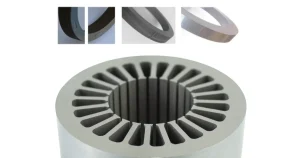
Electrical steel is a special material that improves magnetism. It is important for energy-saving electrical devices. Grain-oriented steel has grains lined up in one direction. This makes it work best in that direction. Non-grain-oriented steel has grains in random directions. This gives it equal magnetic strength everywhere. Each type works well for certain uses. For example, non-grain-oriented steel made up 71.17% of sales in 2023. It is widely used in motors and generators. The global market for electrical steel is growing fast. It may reach $69.4 billion by 2034. This shows its key role in new industrial ideas.
Key Takeaways
- Electrical steel is important for saving energy in devices. It improves magnetism in transformers, motors, and generators.
- Grain-oriented electrical steel (GOES) works best in one direction. This makes it great for transformers.
- Non-grain-oriented electrical steel (NGOES) has equal magnetic strength in all directions. It is ideal for motors and generators.
Understanding Electrical Steel
What Is Electrical Steel
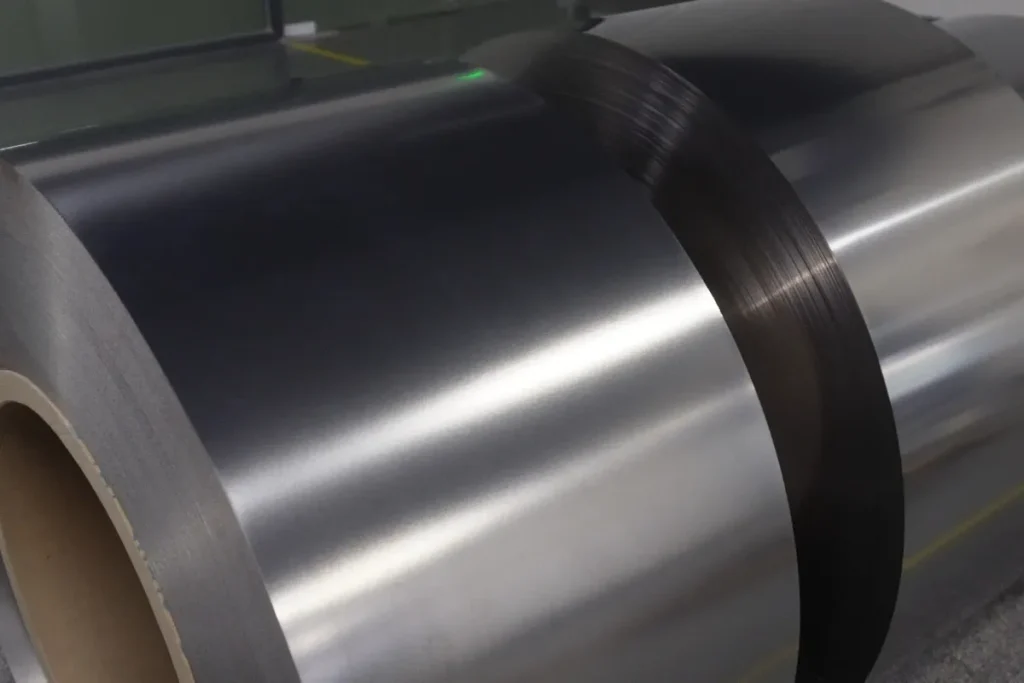
Electrical steel is a special metal mix that boosts magnetism. It is mostly made of iron with small amounts of silicon and aluminum. These extra elements improve its magnetic abilities. This makes it great for things like transformers, motors, and generators. Electrical steel helps save energy by reducing energy loss when magnetized and demagnetized.
This material is very flexible and useful. For example, its density is about 7.65 g/cm³, and its thickness can be between 0.18 mm and 0.35 mm. The table below shows the main features of grain-oriented (GOES) and non-grain-oriented (NGOES) electrical steel:
| Property | NGOES | GOES |
|---|---|---|
| Composition | Carbon (≤0.01%), silicon (~3.0–3.5%), aluminum (≤0.5%), manganese (≤0.5%) | Carbon ( |
| Density | 7.65 g/cm³ | 7.65 g/cm³ |
| Thickness | 0.23–0.35 mm | 0.18–0.35 mm |
| Electrical Resistivity | 48 Microhm-cm | 45–50 Microhm-cm |
| Magnetism | Same in all directions | Stronger in one direction |
| Applications | Motor cores, inductors, small transformers | Power transformers, efficient transformers |
Why Magnetic Properties Matter in Electrical Steel
Magnetic properties are very important for electrical steel. They decide how well the material handles magnetic energy. This affects energy loss in devices. For example, lower energy loss means better efficiency.
Another key feature is magnetic permeability. This shows how well the material supports a magnetic field. Electrical steel has high permeability, which helps it work well in strong magnetic fields. Heating it at 800°C to 825°C for 2–4 hours improves its magnetic abilities. This process reduces stress and makes it even better for use.
Types of Electrical Steel
Electrical steel comes in two main types: grain-oriented (GOES) and non-grain-oriented (NGOES). Each type is used for different jobs based on its magnetic features:
- Grain-Oriented Electrical Steel (GOES):
GOES has grains lined up in one direction. This makes it very good at saving energy in that direction. It is perfect for power transformers and other efficient devices. - Non-Grain-Oriented Electrical Steel (NGOES):
NGOES has grains spread randomly. This gives it equal magnetic strength in all directions. It works well in motors and generators where magnetism is needed everywhere.
Grain-Oriented Electrical Steel
What Is Grain-Oriented Electrical Steel
Grain-oriented electrical steel is a special kind of steel. It is made to work best in one direction. During production, its grains are lined up carefully. This improves how it handles magnetic energy in that direction. Adding silicon helps it move magnetic energy better. This makes it great for saving energy in devices.
This steel is usually made in thin pieces, about 0.23 mm thick. Its design helps cut down energy waste a lot. This makes it useful for energy-saving tools like transformers. By focusing on one direction, it helps modern devices use less power.
Key Properties of Grain-Oriented Electrical Steel
Grain-oriented electrical steel has unique features that make it stand out. These features make it the top choice for energy-efficient uses:
- Better Magnetic Permeability: Its grain setup boosts magnetic performance in transformer cores.
- Lower Core Losses: It wastes less energy, with losses between 1.5 and 3.5 W/kg.
- Adjustable Sizes: Its thickness and width can be changed for different needs.
| Metric | Description |
|---|---|
| Better Magnetic Permeability | Special silicon and grain alignment improve magnetic flow, perfect for transformers. |
| Lower Core Losses | Energy loss is small, between 1.5 and 3.5 W/kg, helping transformers last longer. |
| Adjustable Sizes | Thickness and width can be customized for many uses, improving efficiency. |
This steel can make transformers up to 40% more efficient. Its thin iron-silicon mix works well in systems needing lots of energy.
Applications of Grain-Oriented Electrical Steel
Grain-oriented electrical steel is used in industries that need reliable, energy-saving materials. Common uses include:
- Transformers: It cuts energy loss and boosts efficiency in power transformers.
- Power Generators: It helps generators work better by reducing energy waste.
- Motors and Appliances: Sometimes, it is used in motors and appliances needing strong magnetism.
| Year | Market Size (USD Billion) | CAGR (%) | Key Regions | Application Value (USD Billion) |
|---|---|---|---|---|
| 2023 | 28.86 | N/A | N/A | N/A |
| 2024 | 29.49 | N/A | North America: 7.5, Europe: 9.0, APAC: 10.5 | Transformers: 10.0 |
| 2032 | 35.0 | 2.16 | N/A | N/A |
The demand for grain-oriented electrical steel is growing fast. It is key to making energy-efficient systems. Its use in transformers shows how it helps save energy in many industries.
Non-Grain-Oriented Electrical Steel
What Is Non-Grain-Oriented Electrical Steel
Non-grain-oriented electrical steel has grains arranged in random directions. Unlike grain-oriented steel, it has the same magnetic strength everywhere. This makes it great for things like motors and generators needing steady magnetism. Adding silicon and aluminum improves its magnetic stability and lowers energy loss.
This steel is made in thin sheets, usually 0.1 mm to 0.35 mm thick. Its slim design helps create lightweight and efficient electrical parts. Non-grain-oriented electrical steel is very important in industries focused on saving energy and handling high-frequency tasks.
Key Properties of Non-Grain-Oriented Electrical Steel
Non-grain-oriented electrical steel has many useful features for different jobs. The table below shows its main properties:
| Property | Description |
|---|---|
| Uniform Magnetic Properties | Same magnetic strength in all directions, useful for motors. |
| Thin Gauge Capabilities | Made in thin sheets, 0.1 to 0.35 mm, for compact designs. |
| High Saturation Induction | Handles strong magnetic fields before reaching its limit. |
| Low Core Loss at High Frequencies | Works well with low energy loss in high-frequency devices. |
| Excellent Magnetic Stability | Stays stable in different temperatures and magnetic conditions. |
| High Electrical Resistivity | Reduces power loss by blocking unwanted electric currents. |
| Low Core Loss | Cuts energy waste, making devices more efficient. |
| High Magnetic Permeability | Moves magnetic energy easily, perfect for motors and transformers. |
These features make non-grain-oriented electrical steel a top choice for industries needing reliable magnetic materials.
Applications of Non-Grain-Oriented Electrical Steel
Non-grain-oriented electrical steel is used in industries needing steady magnetism and energy savings. It is important in power, transport, and machinery sectors. The chart below shows revenue from key markets:
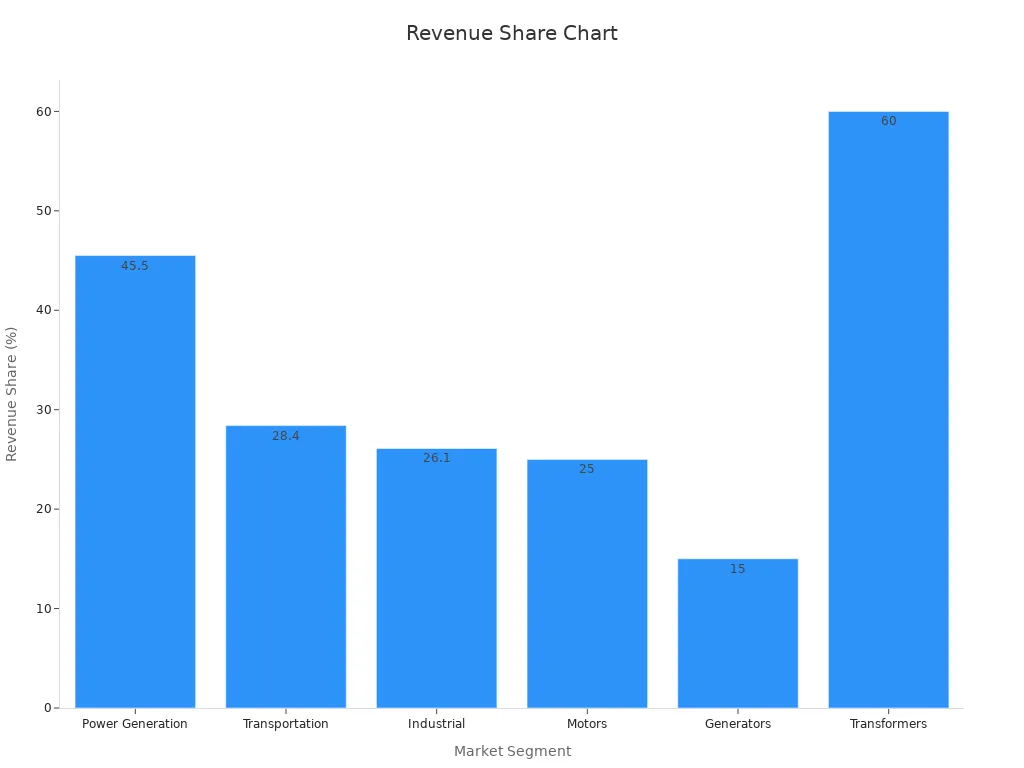
Key uses include:
- Electric Motors: This steel is vital for motors because of its steady magnetism. It helps motors work efficiently and lose less energy, making it ideal for cars and factories.
- Generators: Its strong magnetic flow and low energy loss make it great for generators, especially in backup systems.
- Transformers: While grain-oriented steel is used in large transformers, this steel works well in smaller ones needing equal magnetism.
- Automotive Industry: Electric vehicles need this steel for its light weight and efficiency. It helps cars perform better and use less energy.
The demand for energy-saving tools keeps increasing, boosting the need for non-grain-oriented electrical steel.
Key Differences Between Grain-Oriented and Non-Grain-Oriented Electrical Steel
Magnetic Properties
Grain-oriented and non-grain-oriented electrical steel have different magnetic features. Grain-oriented steel works best in one direction. This helps reduce energy loss, making it great for transformers. Non-grain-oriented steel has the same magnetic strength in all directions. This makes it perfect for motors and generators that need steady magnetism.
Grain-oriented steel’s magnetism depends on the direction of the magnetic field. Studies show it works best at a 60° angle to its rolling direction. This means engineers must carefully design models to match magnetism with direction. These models help industries make accurate calculations for their machines.
Directionality of Magnetic Performance
The way magnetic energy flows is a key difference between these steels. Grain-oriented steel is made to work best in one direction. This makes it very efficient for transformer cores where energy flows in one way. But, it is less useful for devices needing magnetism in all directions.
Non-grain-oriented steel has equal magnetic strength in every direction. Its random grain structure allows it to work well in rotating machines like motors. This ability to stay strong under changing magnetic fields makes it important for moving systems.
Applications and Use Cases
Grain-oriented and non-grain-oriented steel are used for different jobs. Grain-oriented steel is mostly used in transformers and power generators. It saves energy and improves efficiency, making it vital for energy-saving tools. Non-grain-oriented steel is more flexible. It is used in motors, inductors, and small transformers. It is also important for electric cars, where lightweight and efficient materials are needed.
| Application/Use Case | Market Share (2022) |
|---|---|
| Inductors | 3rd largest share |
| Energy Sector | 2nd largest share |
The need for energy-saving materials is growing fast. Both types of steel are important for industries and homes. Knowing their differences helps pick the right one for each job.
Cost and Availability
Cost and availability are important when choosing electrical steel. Grain-oriented steel costs more because of its special production steps. Aligning grains and extra processes, like heating, raise its price. It is best for uses where saving energy matters more than cost, like in power transformers.
Non-grain-oriented steel is cheaper and easier to make. Its simple production and wide use make it budget-friendly. Industries like car-making and electronics often pick this type. It is also easier to find because it is used in many products and needs less complex manufacturing.
Both types of steel are in high demand worldwide. But, availability depends on local needs and production levels. For example, countries focused on renewable energy need more grain-oriented steel. Areas with growing car industries prefer non-grain-oriented steel. Knowing these trends helps industries choose the right material.
Energy Efficiency and Durability
Energy efficiency and durability are key when comparing electrical steel. Grain-oriented steel saves more energy due to its magnetic setup. Its grains reduce energy loss during magnet cycles, making it great for transformers. Though it costs more upfront, it lowers running costs over time.
Non-grain-oriented steel is also energy-efficient, especially in motors and generators. Its even magnetic strength ensures steady performance in changing fields. While it loses slightly more energy than grain-oriented steel, its lower cost and flexibility make it a good choice for many uses.
Durability is another difference. Grain-oriented steel is very strong in tough conditions, like in transformers with strong magnetic fields. Non-grain-oriented steel is durable too but can weaken under high heat or stress.
Choosing the right steel means balancing energy savings, strength, and specific needs. Industries must think about these factors to get the best results and save money.
Applications and Use Cases of Electrical Steel
Electrical steel is very important in many industries. Its special magnetic features and energy-saving abilities make it useful. Both grain-oriented and non-grain-oriented types are used for different jobs.
Grain-Oriented Electrical Steel Applications
Transformers
Grain-oriented steel is key for high-voltage transformers. Its grains are lined up to cut energy loss. This makes it perfect for power transformers that need to save energy. It is widely used in the U.S. for electric energy distribution.
The market for this steel in transformers is growing fast. By 2024, it may reach $8.62 billion. It is expected to grow by 5.6% yearly until 2025. This shows the rising need for efficient transformers in cities and industries.
Power Generators
Power generators also use grain-oriented steel. Its strong magnetic flow and low energy loss improve efficiency. It works well even in tough conditions. Wind turbines also use this steel to save energy. Wind power makes up 10.3% of U.S. energy. This steel helps turbines work better.
Non-Grain-Oriented Electrical Steel Applications
Electric Motors
Non-grain-oriented steel is great for electric motors. Its even magnetic strength works in all directions. This makes it useful for machines and appliances in homes and factories. The demand for electric motors is boosting the market for this steel.
By 2024, the market for this steel in motors may hit $14.83 billion. It is growing by 4.3% yearly until 2025. Hybrid and electric cars also need this steel for their motors. These cars help cut pollution and use this steel to perform better.
Automotive Industry
The car industry depends on non-grain-oriented steel for electric vehicles (EVs). This steel is light and efficient, helping EVs run better. In 2023, electric car sales grew by 35% compared to 2022. As stricter pollution rules come in, the need for this steel will grow.
Consumer Electronics
Non-grain-oriented steel is also used in electronics. Its thin sheets and high resistance make it great for small devices. It improves the performance of transformers and inductors in gadgets. This steel ensures devices are reliable and last longer.
Non-grain-oriented steel is popular for its flexibility. It works well in industries focused on saving energy and creating new ideas. Its ability to handle high-frequency tasks with little energy loss keeps it important today.
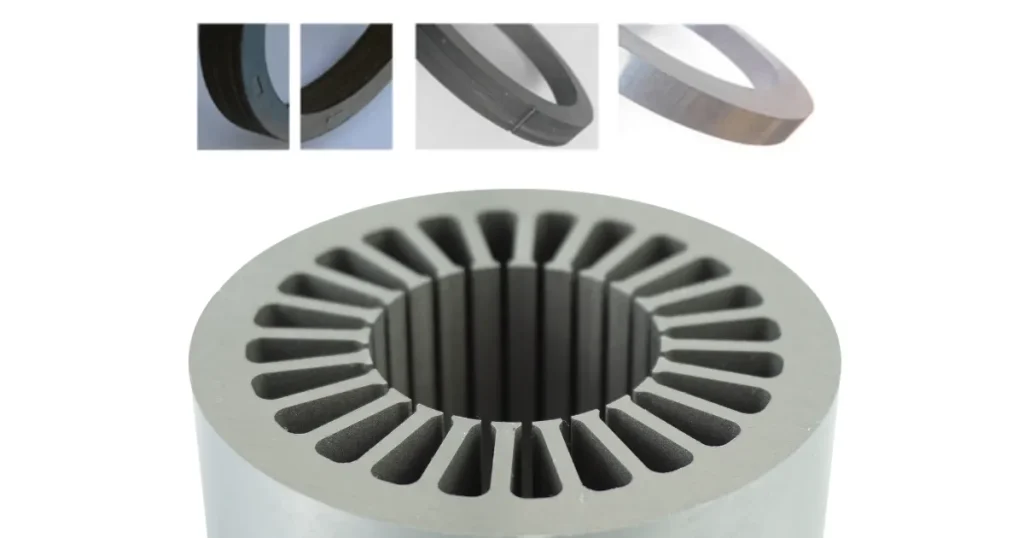
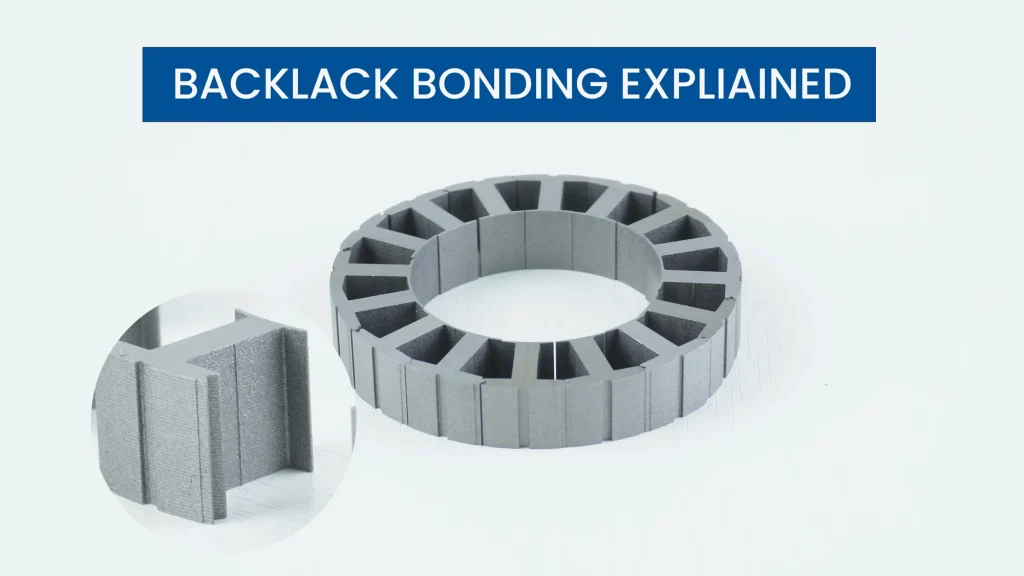
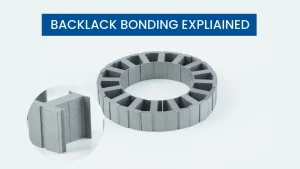
Huaci’s self-rolled 0.1mm, 0.15mm, and 0.2mm self-bonding non-oriented silicon steel is suitable for stator and rotor solutions. For more details, please visit https://huacitech.com/materials/electrical-steel/.
Choosing the Right Electrical Steel
Factors to Consider
Application Needs
Picking the right electrical steel depends on its use. Grain-oriented steel is best for transformers and generators. It works well because it has strong magnetism in one direction. Non-grain-oriented steel is better for motors and car parts. It has the same magnetic strength in all directions. For example, motor torque depends on magnetic strength. This makes non-grain-oriented steel great for electric cars. New types like Powercore® Traction steel cut motor energy loss by 30%. This makes motors more efficient.
Cost Limits
Cost is a big factor when choosing electrical steel. Grain-oriented steel costs more because it is harder to make. Its grains are carefully aligned, and it needs extra steps. This makes it good for things like transformers where saving energy is worth the cost. Non-grain-oriented steel is cheaper and easier to make. It is used in electronics and cars because it saves money while working well.
Energy-Saving Goals
Saving energy is a key reason to pick electrical steel. Grain-oriented steel reduces energy loss, making it perfect for transformers. Non-grain-oriented steel also saves energy in motors and generators. As more people want energy-saving cars and green energy, choosing the right steel is very important.
| Key Factor | Description |
|---|---|
| Demand for Energy-Efficient Vehicles | More electric and hybrid cars mean more need for electrical steel. |
| Energy Conservation Needs | Transformers are needed to save energy in the power industry. |
| Magnetic Permeability | High permeability helps electrical steel convert and move energy better. |
| Role in Renewable Energy | Important for wind and water power generators to work well. |
| Transformer Core Material | High-quality steel cuts energy loss in transformers. |
| Efficient Energy Transmission | Grain-oriented steel is great for low energy loss and strong magnetism. |
Industry-Specific Suggestions
Different industries need different types of electrical steel. Car makers use non-grain-oriented steel because it is light and works well in motors. The energy industry uses grain-oriented steel for transformers and generators to save energy. Market studies help industries plan for the future. For example, the electrical steel market may grow to $20.80 billion by 2034, with a yearly growth rate of 3.94%.
| Parameter | Description |
|---|---|
| Econometric Models | Short-term tools to study market trends. |
| Technology Market Model | Long-term tools to track new products and technology. |
| Correlation and Regression Analysis | Helps understand market changes and their effects. |
| Time Series Analysis | Predicts market trends over time. |
| Market Drivers and Restraints | Studies what helps or slows market growth. |
| Raw Material Scenario | Looks at supply and price trends for materials. |
| Regulatory Scenario | Reviews rules and changes that affect the market. |
| Capacity Analysis | Checks current production and future needs up to 2027. |
Future Trends in Electrical Steel
The future of electrical steel will focus on new technology and being eco-friendly. New methods like SODA technology will make steel better and easier to produce. Using eco-friendly materials like ecoke will cut pollution during production. Grain-oriented steel will also improve for energy-heavy uses.
- Data from mining and studying market trends.
- Expert opinions to confirm findings.
- Tools like Vendor Positioning Grid and Market Time Line Analysis.
| Aspect | Description |
|---|---|
| Market Dynamics | Studies what helps or slows market growth now and in the future. |
| Technological Advancements | Focuses on new products and better production methods like SODA technology. |
| Sustainability | Aims to lower pollution and improve production efficiency. |
| Forecasting Parameters | Includes material supply, rules, and production plans up to 2027. |
The need for renewable energy and electric cars will grow. This will increase demand for both types of electrical steel. Industries must follow these trends to stay ahead and succeed.
Electrical Steel Markets Overview
The global market for electrical steel is growing quickly. In 2024, it was worth $18.50 billion. By 2032, it may reach $30.11 billion, growing at 6.28% yearly from 2025 to 2032. This shows how important electrical steel is in modern industries.
Many reasons drive this growth. Europe is the fastest-growing region. This is because non-oriented electrical steel is used more in building projects. The market is divided by type, thickness, core losses, flux density, use, and end-users. This helps companies find areas to focus on for growth.
Competition in the market gives useful information. Top companies spend a lot on research to improve products. They are making better products and increasing production. These companies also focus on key areas like cars, energy, and electronics to stay ahead.
Renewable energy is also boosting the market. Electrical steel is important for wind turbines and solar systems. It helps save energy and lasts a long time. As the world works to cut carbon emissions, the need for better electrical steel will grow.
Businesses gain from detailed market data, like company details and revenue trends. This helps them make smart choices about spending and partnerships. The focus on saving energy and being eco-friendly is shaping the market. Manufacturers are now using greener materials and methods.
FAQ
What makes grain-oriented and non-grain-oriented steel different?
Grain-oriented steel has grains lined up in one way. This improves magnetism in that direction. Non-grain-oriented steel has grains in random directions. This gives it equal magnetic strength everywhere. Each type is best for certain uses.
Why is silicon added to electrical steel?
Silicon makes electrical steel better at handling magnetism. It lowers energy loss when magnetized and demagnetized. It also increases electrical resistance, helping save energy.
Which industries use electrical steel the most?
Energy, car-making, and electronics industries use it a lot. It is key for transformers, motors, and generators. It also helps in wind turbines and electric cars.
How does electrical steel help save energy?
Electrical steel cuts energy loss by reducing core losses. It also improves how well it handles magnetic energy. Grain-oriented steel is great for transformers. Non-grain-oriented steel works well in motors and generators.
Is grain-oriented steel more costly than non-grain-oriented steel?
Yes, grain-oriented steel costs more to make. Its grains are carefully aligned, and extra steps are needed. But its energy-saving benefits often make it worth the price.
Can non-grain-oriented steel be used in transformers?
Yes, it works in small transformers needing even magnetism. But for big transformers, grain-oriented steel is better because of its strong directional magnetism.
What should you think about when picking electrical steel?
Think about what you need it for, your energy goals, and your budget. Grain-oriented steel is best for saving energy in transformers. Non-grain-oriented steel is good for motors and car parts.
How does electrical steel help renewable energy?
It makes wind turbines and solar systems work better. Its magnetic features cut energy loss, making it great for green energy projects.