Electric motors rely on two essential components: the stator and rotor. These parts work together to transform electrical energy into mechanical motion. The stator creates a magnetic field, while the rotor interacts with it to generate movement or electricity. This dynamic interaction powers countless devices and systems across various industries, like aerospace, e-mobility, robotics, medical.

What Are the Stator and Rotor?
Definition of the Stator and Rotor
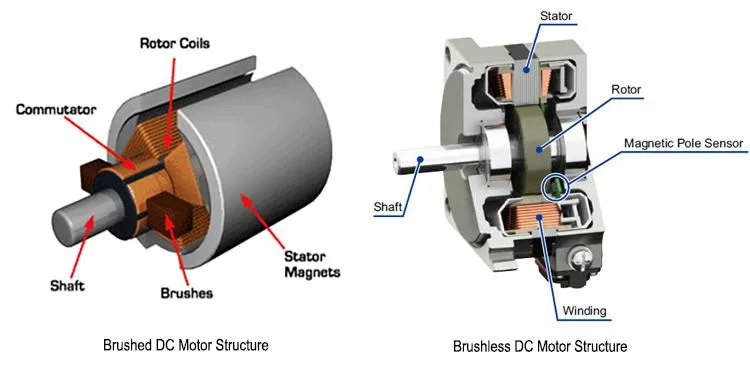
The stator and rotor are the two main parts of an electric motor. The stator is the stationary component that generates a magnetic field. It typically includes the stator frame, stator core, and stator winding. On the other hand, the rotor is the moving part that interacts with the magnetic field to produce motion. It consists of the rotor core, rotor shaft, and rotor winding. Together, these components form the foundation of electric motors and generators.

Is a Stator Used in DC Motors or AC Motors?
The stator plays a role in both DC and AC motors, but its design varies depending on the motor type. In AC motors, the stator receives a three-phase or four-phase power supply to create a rotating magnetic field. In DC motors, the stator provides a steady magnetic field, often through permanent magnets or electromagnets.
The rotor’s design also differs between these motor types. For example, in AC motors, the rotor interacts with the alternating magnetic field, while in DC motors, it relies on a direct current supply. The table below highlights some key differences:
| Property | Stator | Rotor |
|---|---|---|
| Power Supply | Three or four-phase (AC motors) | DC supply (DC motors) |
| Components | Stator core, winding, and frame | Rotor core, winding, and shaft |
| Complexity | Simpler than the rotor | More complex than the stator |
The Roles in Electric Motors and Generators
The stator and rotor work together to convert energy. In electric motors, the stator generates a magnetic field, and the rotor uses this field to create mechanical motion. In generators, the process reverses. The rotor moves within the stator’s magnetic field to produce electricity. This energy conversion is the core principle behind many modern technologies.
How Do the Stator and Rotor Work Together?
The Stator’s Role in Generating a Magnetic Field
The stator plays a critical role in creating the magnetic field that drives the motor. When connected to a three-phase power supply, the stator receives power at different intervals based on the phase. This setup generates a rotating magnetic field tailored to the motor’s specific requirements. The rotating field interacts with the rotor, initiating motion.
The principle of electromagnetic induction enables the stator to function effectively. According to Faraday’s Law, a changing magnetic field within a coil induces an electromotive force (EMF). In the stator, this rotating magnetic field creates varying magnetic flux, which induces EMF in the rotor. This process is the foundation of energy conversion in electric motors.
The Rotor’s Role in Producing Motion or Electricity
The rotor complements the stator by converting the magnetic field into mechanical motion or electricity. In electric motors, the rotor interacts with the stator’s magnetic field, experiencing a force that causes it to rotate. This rotation drives mechanical loads, such as fans, pumps, or vehicle wheels.
In generators, the rotor works differently. It rotates within the stator’s magnetic field, often powered by an external force like a turbine. This movement induces EMF in the stator, producing electricity. The rotor’s role shifts depending on whether the device functions as a motor or generator, showcasing its versatility.
Electromagnetic Induction and Energy Conversion
Electromagnetic induction is the key principle behind the interaction between the stator and rotor. When the stator generates a rotating magnetic field, it cuts through the rotor’s conductors, inducing EMF. This induced EMF drives current in the rotor, creating a secondary magnetic field. The interaction between these fields generates electromagnetic force, causing the rotor to rotate.
These innovations reduce energy losses and improve efficiency, making the components more reliable and sustainable. Whether in electric motors or generators, the seamless interaction between the stator and rotor ensures efficient energy conversion.
Interaction Between the Stator and Rotor
The interaction between the stator and rotor forms the foundation of electric motor operation. These two components work in harmony to convert energy into motion or electricity. The stator generates a rotating magnetic field, which acts as the driving force. This field interacts with the rotor, inducing an electric current in its windings. The induced current creates its own magnetic field, which opposes the stator’s field. This opposition generates torque, causing the rotor to spin. The result is mechanical motion that powers devices like fans, pumps, or vehicle wheels.
In generators, the process works in reverse. The rotor, driven by an external force, moves within the stator’s magnetic field. This movement induces an electromotive force (EMF) in the stator windings, producing electricity. The seamless interaction between these components ensures efficient energy conversion.
The efficiency of this interaction depends on precise engineering. Factors like the alignment of the magnetic fields, the quality of materials, and the cooling systems all play a role. Modern advancements have optimized these aspects, ensuring that the stator and rotor work together seamlessly in various applications.
Key Differences Between the Stator and Rotor
Stationary vs. Rotating Components

The most noticeable difference between the stator and rotor lies in their movement. The stator remains stationary, forming the fixed outer part of the motor. It houses components like the frame, winding, and a static core made of laminated sheets. In contrast, the rotor rotates within the stator. It consists of a core made from soft magnetic materials, often laminated, and is attached to a shaft. This rotation is what drives mechanical motion in electric motors.
| Feature | Stators | Rotors |
|---|---|---|
| Definition | Stationary part of an electric motor | Rotating section of the electric motor |
| Components | Frame, winding, static core of laminations | Core of soft magnetic laminated stacks, often with magnets attached to a shaft |
| Function | Generates a rotating magnetic field | Interacts with the stator’s magnetic field to produce torque and rotation |
| Key Requirements | High permeability, high induction, low losses | Balanced magnetic properties with robust mechanical performance for high speeds |
This distinction between stationary and rotating components ensures that the stator and rotor work together efficiently to convert energy.
Magnetic Field Generation vs. Motion/Energy Conversion
The stator and rotor also differ in their primary functions. The stator generates a rotating magnetic field when powered, which serves as the driving force for the motor. The rotor, on the other hand, converts this magnetic energy into mechanical motion. In generators, the rotor plays a different role by producing electricity through its interaction with the stator’s magnetic field.
| Component | Function in Magnetic Field Generation | Function in Motion/Energy Conversion |
|---|---|---|
| Stator | Generates a rotating magnetic field when powered | Interacts with rotor to produce motion |
| Rotor | Converts magnetic energy into mechanical energy through rotation | Responsible for the current generated in the coil |
This division of roles highlights how the stator and rotor complement each other in energy conversion.
Structural and Functional Distinctions
The structural and functional differences between the stator and rotor become even more apparent in different motor types. In synchronous motors, the rotor often contains permanent magnets, ensuring it rotates in sync with the stator’s magnetic field. Asynchronous motors, however, rely on induced currents in the rotor, causing it to lag slightly behind the stator’s field. This difference affects how torque is generated and how the motor operates.
In synchronous motors, precise control of the stator’s power supply is essential to maintain alignment with the rotor. Asynchronous motors, by contrast, generate torque through electromagnetic induction without requiring direct electrical connections to the rotor. These structural and functional distinctions make each motor type suitable for specific applications.
Is armature stator or rotor
The armature is a key component in electric motors and generators. Its role depends on the type of machine and its design. You might wonder whether the armature belongs to the stator or rotor. The answer varies based on the motor’s configuration.
In most DC motors, the armature is part of the rotor. It rotates within the stationary magnetic field created by the stator. The armature contains windings where the current flows, producing a magnetic field. This field interacts with the stator’s field, generating torque and causing the rotor to spin.
In AC motors, the armature can be part of either the stator or rotor. For example:
- Synchronous Motors: The armature is typically part of the stator. It carries the alternating current that generates the rotating magnetic field.
- Induction Motors: The rotor acts as the armature. It induces current due to the stator’s magnetic field, creating motion.
Tip: To identify the armature, look for the component where the current flows and interacts with the magnetic field. This interaction drives energy conversion.
| Motor Type | Armature Location | Function of Armature |
|---|---|---|
| DC Motor | Rotor | Produces magnetic field to generate torque |
| Synchronous Motor | Stator | Generates rotating magnetic field |
| Induction Motor | Rotor | Induces current for motion |
Construction and Materials of Stator and Rotor
Common Materials Used in Stator and Rotor
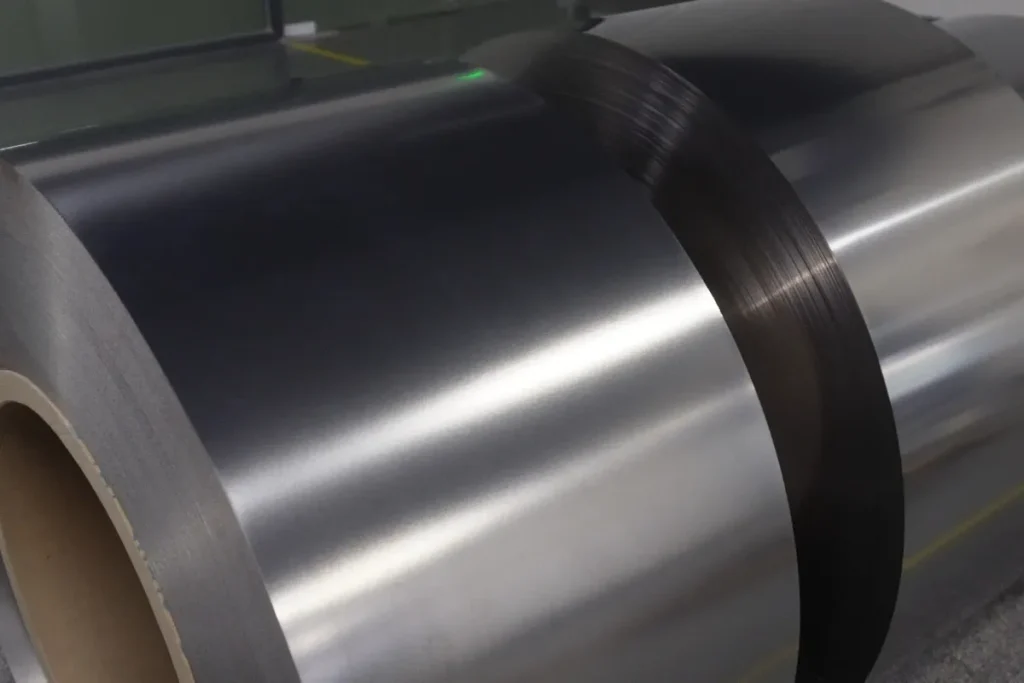
The materials used in the stator and rotor directly impact the performance of electric motors. For stators, manufacturers often use soft magnetic alloys like silicon steel. These materials offer high permeability and low energy losses, making them ideal for generating magnetic fields. Copper is the preferred choice for stator windings due to its excellent electrical conductivity.
Rotors require materials that balance magnetic and mechanical properties. Soft magnetic alloys, similar to those in stators, are common for rotor cores. In high-performance motors, permanent magnets made from rare-earth materials like neodymium are often used. These magnets allow for stronger magnetic fields, enabling compact designs with higher power output.
Material Selection Criteria
Choosing the right materials for stators and rotors involves several key factors:
- Stators: High permeability, high induction, and low energy losses ensure optimal performance.
- Rotors: Magnetic properties must balance with mechanical strength to handle high rotational speeds.
- Material Durability: Long-lasting materials prevent wear and maintain consistent performance.
- High Magnetic Saturation: Stronger magnetic fields allow motors to generate more power without increasing size.
- Low Coercivity: Reduced energy losses during magnetization cycles improve efficiency.
These criteria ensure that the stator and rotor work efficiently, even in demanding applications.
Typical Construction Techniques

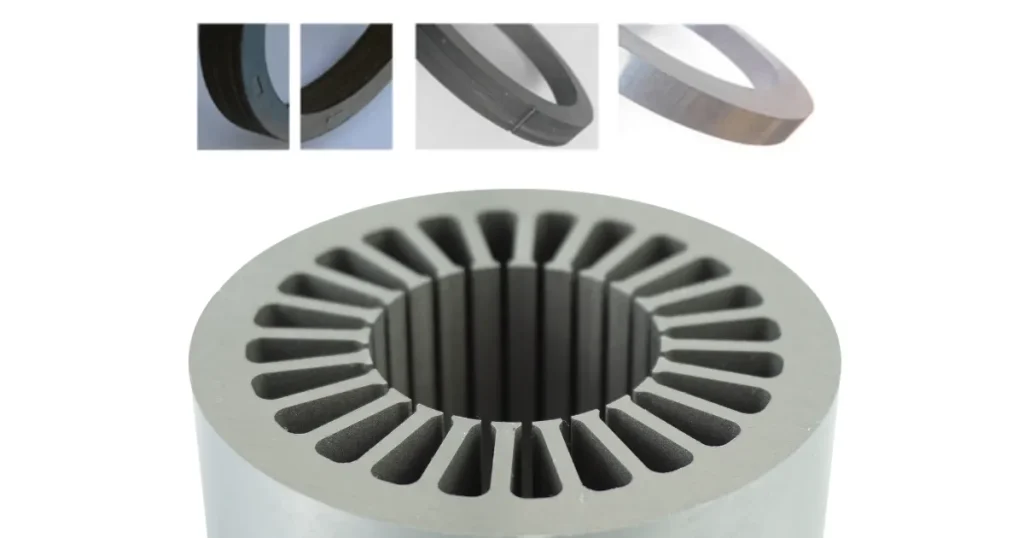
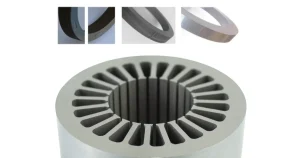
The construction of stators and rotors involves precise techniques to ensure reliability. Manufacturers create stator and rotor cores by laminating thin sheets of soft magnetic alloy. These laminations are insulated and stacked to form a solid core. Stator windings, typically made of copper wire, are wound around the core in specific patterns to generate the desired magnetic field.
For permanent magnet motors, magnets are either inserted into or bonded to the rotor stack. The rotor is then mounted onto a shaft, completing the assembly. Final testing ensures that the stator and rotor meet performance specifications before being integrated into the motor housing.
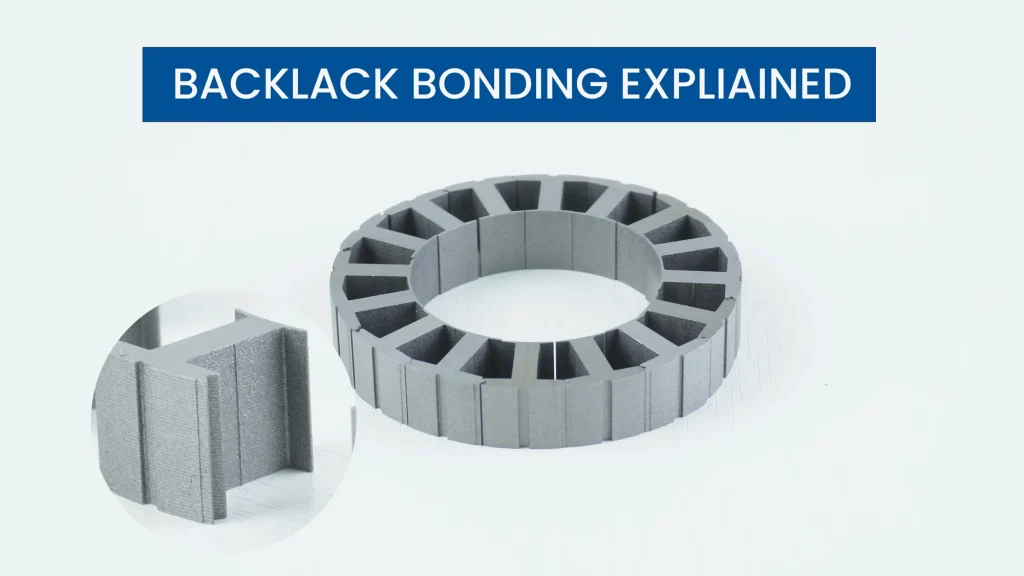
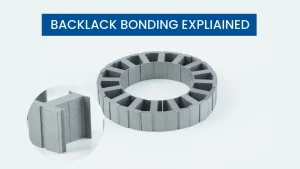
Precision assembly is crucial for high-performance motors. Huaci Technologies addresses this challenge by using innovative bonding techniques that reduce eddy current and improve sustainability.
About stator winding
The stator winding plays a crucial role in electric motors. It consists of coils of wire that generate the magnetic field needed for the motor to function. The design and arrangement of these windings directly affect the motor’s performance, efficiency, and application.
Types of Stator Windings
You can find several types of stator windings, each suited for specific purposes:
- Concentrated Windings: These windings place all coils on the same side of the stator. They work well in low-voltage, high-current applications.
- Distributed Windings: The winding is spread across multiple iron cores. This design reduces magnetic leakage and improves efficiency.
- Single-Layer Windings: Each slot carries one phase. These are common in smaller motors.
- Double-Layer Windings: Each slot contains two phases, making them ideal for larger motors with higher power needs.
- Salient-Pole Windings: Coils are arranged between pole pairs. These are often used in DC and permanent magnet synchronous motors.
- Non-Salient-Pole Windings: Coils alternate along the magnetic centerline, creating evenly distributed magnetic fields.
Regarding winding types, you can refer further to this video: