Motors power countless devices in your daily life, from toys to electric vehicles. The key difference between brushed and brushless motors lies in how they generate motion. Brushed motors use physical brushes, while brushless motors rely on electronic commutation. This distinction impacts their efficiency and performance.
- Brushed motors typically operate at 75–80% efficiency.
- Brushless motors achieve 85–90% efficiency by eliminating brushes, reducing energy loss, and generating less heat.
This improved efficiency makes the brushless motor ideal for applications like drones, electric vehicles, and industrial tools, where performance and durability are critical.
Key Takeaways
- Brushed motors are simple and cheap, great for toys or tools.
- Brushless motors are more efficient (85-90%) and last longer.
- Brushed motors need regular care and wear out faster.
- Brushless motors cost more but save money with less upkeep.
- Pick the motor that fits your project and budget best.
How Brushless and Brushed Motors Work

Brushed Motor Mechanics
Role of Brushes and Commutator
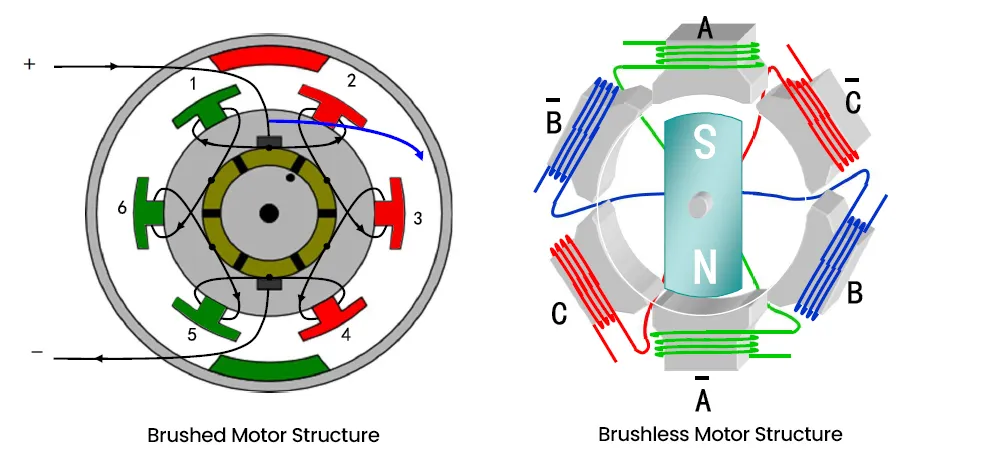
Brushed motors rely on a combination of brushes and a commutator to function. The brushes, typically made of carbon, maintain contact with the commutator, which is a rotating component connected to the rotor. This setup ensures that electricity flows from the power source to the motor’s coils. The commutator acts as a switch, reversing the current direction in the rotor’s windings as it spins. This reversal creates a continuous rotational motion.
The key components of a brushed motor include:
- Stator: Produces a magnetic field using permanent magnets.
- Rotor (Armature): Contains coils that generate a magnetic field when energized.
- Commutator: Transfers current to the rotor while allowing it to spin.
- Brushes: Provide the electrical connection between the power source and the commutator.
This design is simple and effective, but the physical contact between the brushes and commutator causes wear over time, reducing efficiency and requiring regular maintenance.
How Electricity Flows to Create Motion
Electricity flows through the brushes into the commutator, energizing the rotor’s coils. The interaction between the magnetic field of the stator and the rotor’s magnetic field generates torque, causing the rotor to spin. As the commutator rotates, it switches the current direction in the coils, ensuring the rotor continues to turn in the same direction. This process converts electrical energy into mechanical motion, powering devices like toys and small tools.
Brushless Motor Mechanics
Use of Electronic Commutation
Brushless motors eliminate the need for brushes and a commutator. Instead, they use an electronic controller to manage the flow of electricity. This controller precisely times the current delivery to the motor’s coils, ensuring efficient operation. By removing brushes, brushless motors reduce energy loss and wear, achieving an efficiency of 85–90%.
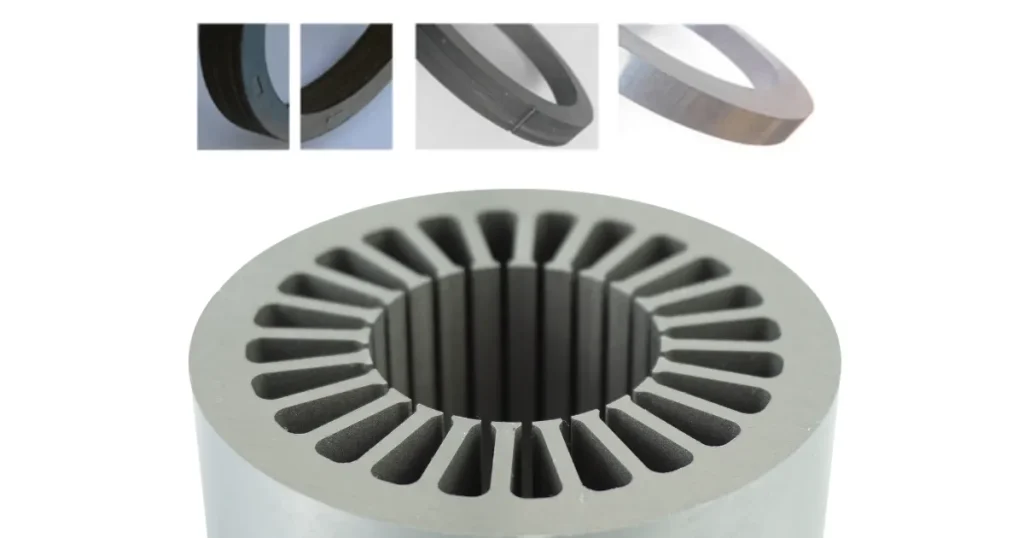
In a brushless motor, there are no mechanical connections for conducting electricity to the coils. This design allows for a smoother and more reliable conversion of electrical energy into mechanical work. Huaci’s high-performance rotor and stator solutions enhance this process, ensuring optimal performance in demanding applications.
Interaction of Magnets and Coils to Generate Motion
The brushless motor’s stator contains coils, while the rotor houses permanent magnets. When the electronic controller energizes the stator’s coils, it creates a magnetic field that interacts with the rotor’s magnets. This interaction generates torque, causing the rotor to spin. The controller continuously adjusts the current flow to maintain smooth and efficient motion.
The absence of brushes reduces friction and heat, making brushless motors ideal for high-performance applications like drones and electric vehicles. Their advanced design ensures durability and minimal maintenance, providing long-term reliability.
Key Differences Between Brushless and Brushed Motors
Performance
Speed and Efficiency Comparison
When comparing speed and efficiency, brushless motors outperform brushed motors. Brushless motors achieve an efficiency of 85–90%, while brushed motors typically operate at 75–80%. This difference stems from the absence of brushes in brushless motors, which reduces friction and heat generation. The result is a higher percentage of electrical energy converted into mechanical motion.
| Motor Type | Efficiency (%) | Battery Life Improvement (%) |
|---|---|---|
| Brushed | 75 – 80 | N/A |
| Brushless | 85 – 90 | 30 – 50 |
Brushless motors also excel in applications requiring sustained performance. For example, they enable longer flight times for drones and perform better in high-torque situations, such as carrying heavy loads. Their electronic control system optimizes energy use, making them ideal for tasks demanding precision and efficiency.
Power Output Differences
Brushless motors deliver higher power output due to their advanced design. They have a better power-to-weight ratio and generate more torque, making them suitable for demanding applications like electric vehicles and industrial tools. The electronic controller in a brushless motor adjusts the current flow to maximize torque, ensuring consistent performance. In contrast, brushed motors lose energy as heat, which limits their power output and efficiency.
Durability
Wear and Tear in Brushed Motors
Brushed motors experience significant wear and tear over time. The brushes grind against the commutator, creating friction that generates heat and accelerates component degradation. This friction not only reduces efficiency but also increases the likelihood of motor failure. Regular maintenance is necessary to address these issues, which can become costly and time-consuming.
Longevity of Brushless Motors
Brushless motors are more durable due to their efficient design. The absence of brushes eliminates a major source of friction and wear. This reduces heat generation, minimizing the risk of overheating and extending the motor’s lifespan. Brushless motors are often preferred in applications where reliability and long-term performance are critical, such as industrial equipment and electric vehicles.
Maintenance
Maintenance Needs of Brushed Motors
Brushed motors require frequent maintenance to ensure proper operation. You need to inspect the brushes and commutator regularly for wear and tear. Lubricating the motor bearings helps reduce friction and prevent overheating. Monitoring electrical connections and motor temperature is also essential to avoid potential issues. These tasks can add up over time, impacting the motor’s usability and increasing costs.
Low-Maintenance Nature of Brushless Motors
Brushless motors require minimal maintenance, making them a cost-effective choice in the long run. Without brushes, there is no need for regular inspections or replacements. This low-maintenance nature is especially beneficial in industrial applications, where continuous operation is essential. The longer lifespan of brushless motors also reduces the frequency of replacements, saving you time and money on repairs and labor.
Cost
Initial Cost Comparison
When comparing the initial costs of brushed and brushless motors, you will notice a significant difference. Brushed motors are more affordable because of their simpler construction. They do not require complex components, making them cheaper to manufacture. Brushless motors, on the other hand, come with a higher price tag. This is due to the inclusion of an electronic controller, which adds to their production cost.
Here’s a quick breakdown:
| Motor Type | Initial Cost | Reason for Cost Difference |
|---|---|---|
| Brushed | Lower | Simpler construction, cheaper to manufacture. |
| Brushless | Higher | Requires an electronic controller, increasing cost. |
If you are working with a tight budget or need a motor for basic applications, a brushed motor might be the better choice. However, the higher upfront cost of a brushless motor often pays off in the long run due to its superior performance and durability.
Long-Term Cost Considerations
While brushed motors are cheaper initially, their long-term costs can add up. Frequent maintenance, such as replacing brushes and addressing wear and tear, increases expenses over time. The shorter lifespan of brushed motors also means you may need to replace them more often, further driving up costs.
Brushless motors, though more expensive upfront, offer significant savings in the long run. Their longer lifespan and reduced maintenance needs make them a cost-effective choice for many applications. You will also benefit from their higher efficiency, which translates to energy savings and lower operating costs. For example, in industrial settings, the reliability of brushless motors minimizes downtime, saving you both time and money.
Tip: If you prioritize long-term savings and performance, investing in a brushless motor is a smart decision. Huaci’s high-performance rotor and stator enhance the efficiency and durability of brushless motors, ensuring you get the most value for your application.
Pros and Cons of Brushless and Brushed Motors
Advantages of Brushed Motors
Simplicity and Affordability
Brushed motors stand out for their simplicity. Their design includes fewer components, making them easier to understand and maintain. This straightforward construction also makes them affordable. If you’re working on a budget-conscious project, a brushed motor can be a practical choice.
- Brushed motors have a simpler design.
- Individual parts are less expensive.
- Their operation is budget-friendly upfront.
This combination of simplicity and affordability makes brushed motors ideal for basic applications like toys or small appliances.
Ease of Repair
Repairing a brushed motor is straightforward. You can easily replace worn-out brushes or commutators without needing specialized tools or expertise. This ease of repair ensures that you can quickly restore functionality, reducing downtime in your projects.
Disadvantages of Brushed Motors
High Maintenance Requirements
Brushed motors require frequent maintenance. The brushes wear down over time due to constant friction with the commutator. You’ll need to replace these brushes regularly to keep the motor running efficiently. This maintenance can become time-consuming and costly, especially for long-term use.
- Frequent brush replacements contribute to waste.
- Maintenance tasks can disrupt operations.
Shorter Lifespan
The lifespan of a brushed motor is limited by its design. Friction between the brushes and commutator generates heat, which accelerates wear and tear. While the initial cost is lower, the need for replacements and repairs increases overall expenses.
Advantages of Brushless Motors
High Efficiency and Performance
Brushless motors excel in efficiency and performance. They eliminate brushes and commutators, reducing power loss and heat generation. This design allows them to convert more electrical energy into mechanical output.
- Brushless motors operate cooler, preventing overheating.
- They deliver high speed and acceleration, ideal for robotics and electric vehicles.
- Their precise control ensures smooth and reliable performance.
If you need a motor for demanding applications, a brushless motor offers unmatched efficiency and durability. Huaci’s high-performance rotor and stator solutions further enhance these benefits, ensuring optimal results.
Longer Lifespan and Reliability
The absence of brushes in brushless motors significantly extends their lifespan. You’ll experience fewer motor failures and reduced downtime. This reliability makes brushless motors perfect for critical applications like industrial equipment or drones.
- Longer lifespan reduces replacement needs.
- Continuous operation enhances reliability.
- Lower maintenance requirements save time and money.
By choosing a brushless motor, you invest in a solution that delivers consistent performance and long-term value.
Disadvantages of Brushless Motors
Higher Upfront Cost
Brushless motors come with a higher price tag compared to brushed motors. This cost difference arises from the advanced technology and materials used in their construction. For example, brushless motors require an electronic controller to regulate their operation. This controller adds to the initial expense, making these motors less budget-friendly for basic applications.
You may find the upfront investment challenging if you are working on a tight budget. However, this cost reflects the motor’s superior efficiency and durability. While brushed motors are more affordable initially, brushless motors often provide better value over time.
Note: If you prioritize long-term savings, the higher initial cost of a brushless motor can be a worthwhile investment. Huaci’s high-performance rotor and stator solutions enhance the efficiency of brushless motors, ensuring you get the most out of your purchase.
More Complex Design
The design of brushless motors is more intricate than that of brushed motors. They rely on sophisticated electronic controllers to manage current flow and ensure smooth operation. These controllers use advanced algorithms and programming, which can make the motor less user-friendly.
If you need to repair or maintain a brushless motor, you may require specialized knowledge and equipment. Unlike brushed motors, which use mechanical brushes, brushless motors depend on precise electronic control. This complexity can make integration into your projects more challenging.
- Brushless motors need advanced controllers for operation.
- Maintenance often requires expertise and specialized tools.
- Programming and algorithms add to their operational complexity.
Despite these challenges, the benefits of brushless motors often outweigh their drawbacks. Their high efficiency and reliability make them ideal for demanding applications. By choosing Huaci’s rotor and stator solutions, you can simplify the integration process and maximize performance.
Tip: If you are new to brushless motors, consider consulting experts or using pre-configured systems to ease the learning curve.
Applications of Brushless and Brushed Motors

Common Uses for Brushed Motors
Toys and Small Appliances
Brushed motors are a staple in many everyday devices due to their simplicity and affordability. You’ll find them in toys like remote-controlled cars and model trains, where their straightforward design ensures reliable performance. Small appliances such as electric toothbrushes, shavers, and fans also rely on brushed motors. These motors provide the necessary power for these devices while keeping costs low.
In addition to household items, brushed motors power essential automotive components. Windshield wipers, power windows, and seat adjusters all use brushed motors for their smooth operation. Their ability to deliver consistent torque makes them ideal for these applications.
Low-Cost Tools and Devices
Brushed motors are commonly used in low-cost tools like drills, saws, and other power tools. Their affordability and ease of repair make them a practical choice for budget-conscious users. You’ll also find them in conveyor belts, pumps, and medical pumps, where their simple design ensures dependable performance. These motors are perfect for applications where cost efficiency is a priority.
Common Uses for Brushless Motors
Drones and Electric Vehicles
Brushless motors have revolutionized the performance of drones and electric vehicles. In drones, they provide longer flight times, high efficiency, and stability even in windy conditions. Their high torque allows drones to carry heavier payloads, making them suitable for professional applications like aerial photography or surveying.
In electric vehicles, brushless motors power wheel drives, air conditioning compressors, and propulsion systems. Their efficiency and reliability contribute to smoother rides and reduced energy consumption.
| Application Area | Benefits of Brushless Motors |
|---|---|
| Drones | Longer flight times, high efficiency, stability in windy conditions, high torque for payloads, and suitability for professional applications. |
| Electric Vehicles | Used in wheel drives, air conditioning compressors, and propulsion systems, contributing to efficiency and reliability. |
High-Performance Tools and Industrial Equipment
Brushless motors excel in high-performance tools and industrial equipment. Their ability to convert electrical energy into mechanical energy with minimal loss ensures greater efficiency. You’ll notice their precision and speed control in tools like robotic arms and CNC machines, where exact adjustments are crucial.
These motors also generate more power in a compact size, making them ideal for space-constrained applications. Their durability and low maintenance requirements reduce downtime, saving you time and money in industrial settings. Huaci’s high-performance rotor and stator solutions enhance the efficiency and reliability of brushless motors, ensuring they meet the demands of these challenging environments.
Brushless and brushed motors each offer unique advantages, making them suitable for different needs. Brushed motors are affordable and simple, ideal for basic applications like toys or small tools. However, they require frequent maintenance and have a shorter lifespan. Brushless motors, on the other hand, deliver higher efficiency, durability, and minimal maintenance, making them perfect for demanding tasks like drones or industrial equipment.
| Factor | Brushless Motors | Brushed Motors |
|---|---|---|
| Efficiency and Power | Higher efficiency, ideal for battery-powered devices | Generally lower efficiency |
| Maintenance and Reliability | Minimal maintenance, longer lifespan | Requires regular maintenance, shorter lifespan |
| Cost Considerations | Higher upfront cost, but more cost-effective long-term | Lower upfront cost, but higher total cost of ownership |
When choosing, consider your application’s requirements, budget, and long-term goals. If you prioritize performance and reliability, brushless motors are a smart investment. For cost-sensitive projects, brushed motors may be the better fit. Huaci’s high-performance rotor and stator solutions can enhance the efficiency and durability of your motor, ensuring you get the best results for your application.
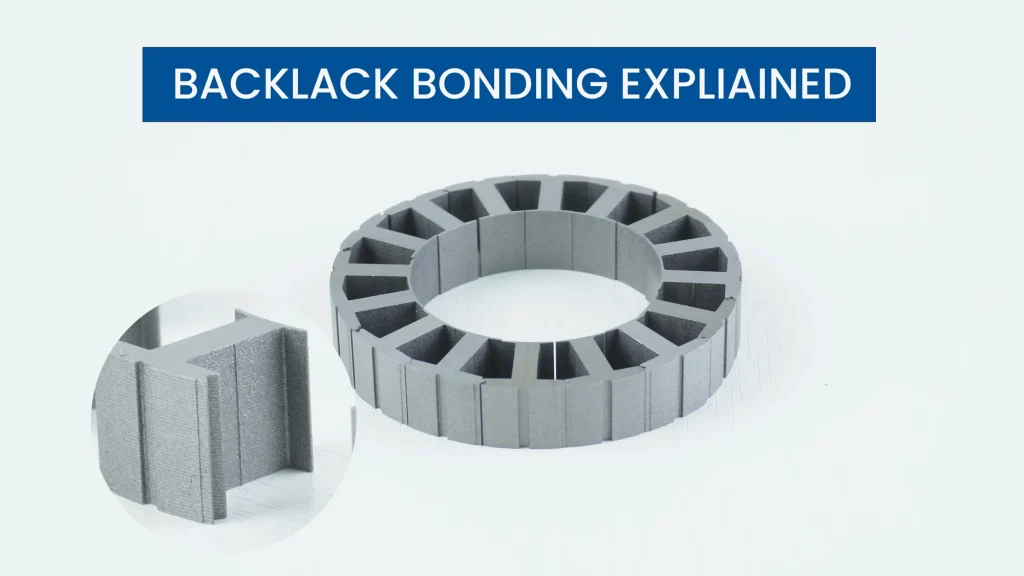
Tip: Huaci’s self-bonding laminated cores further enhance brushless motor efficiency for industrial and commercial use.